
IDC FELLOWS
Every year (based on funding), we select a cohort of 20 Indigenous leaders and equip them with the knowledge, tools, and relationships necessary to enhance Indigenous Data Sovereignty (IDSov) and Governance (IDGov) within their communities.
2026/27 Indigenous Data Champions
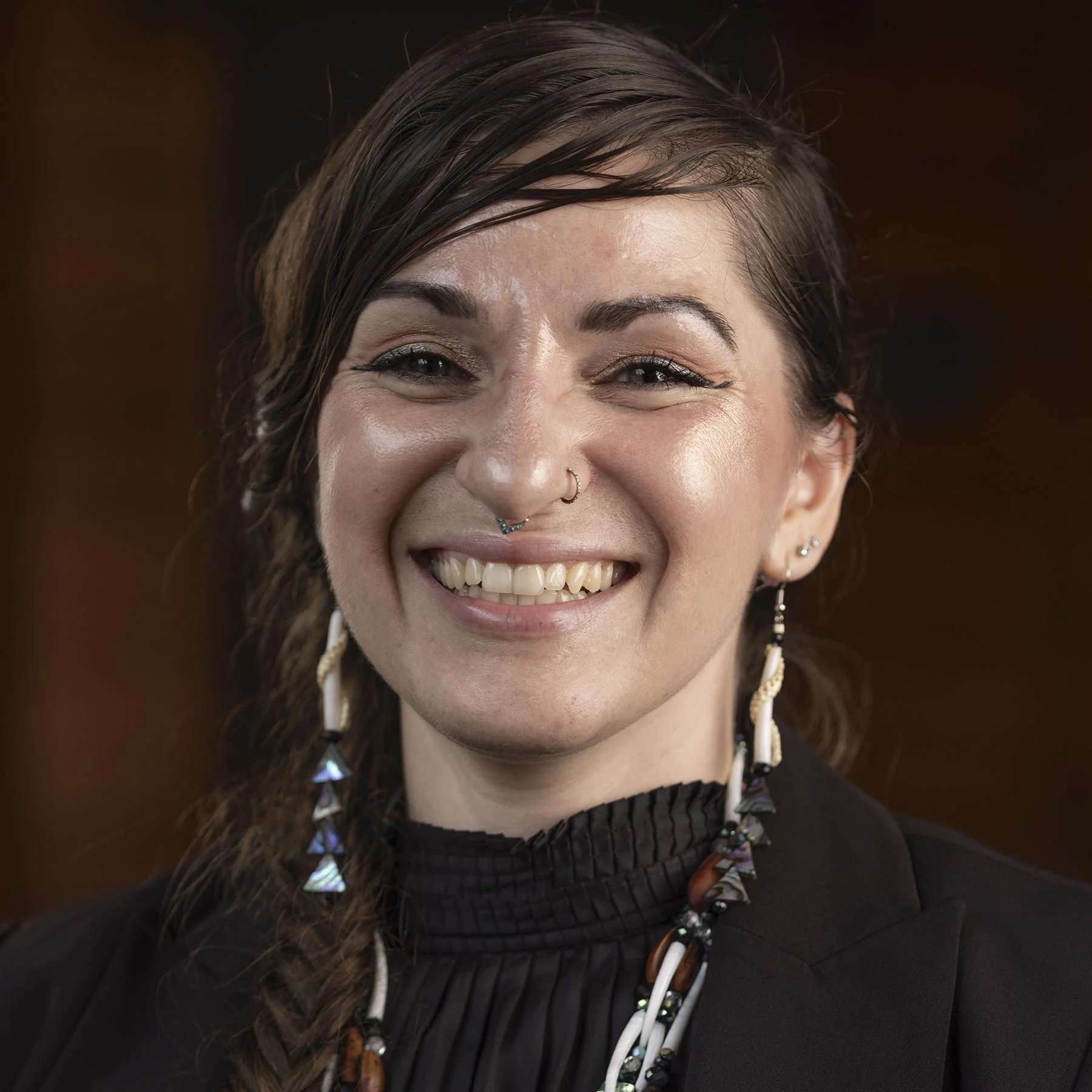
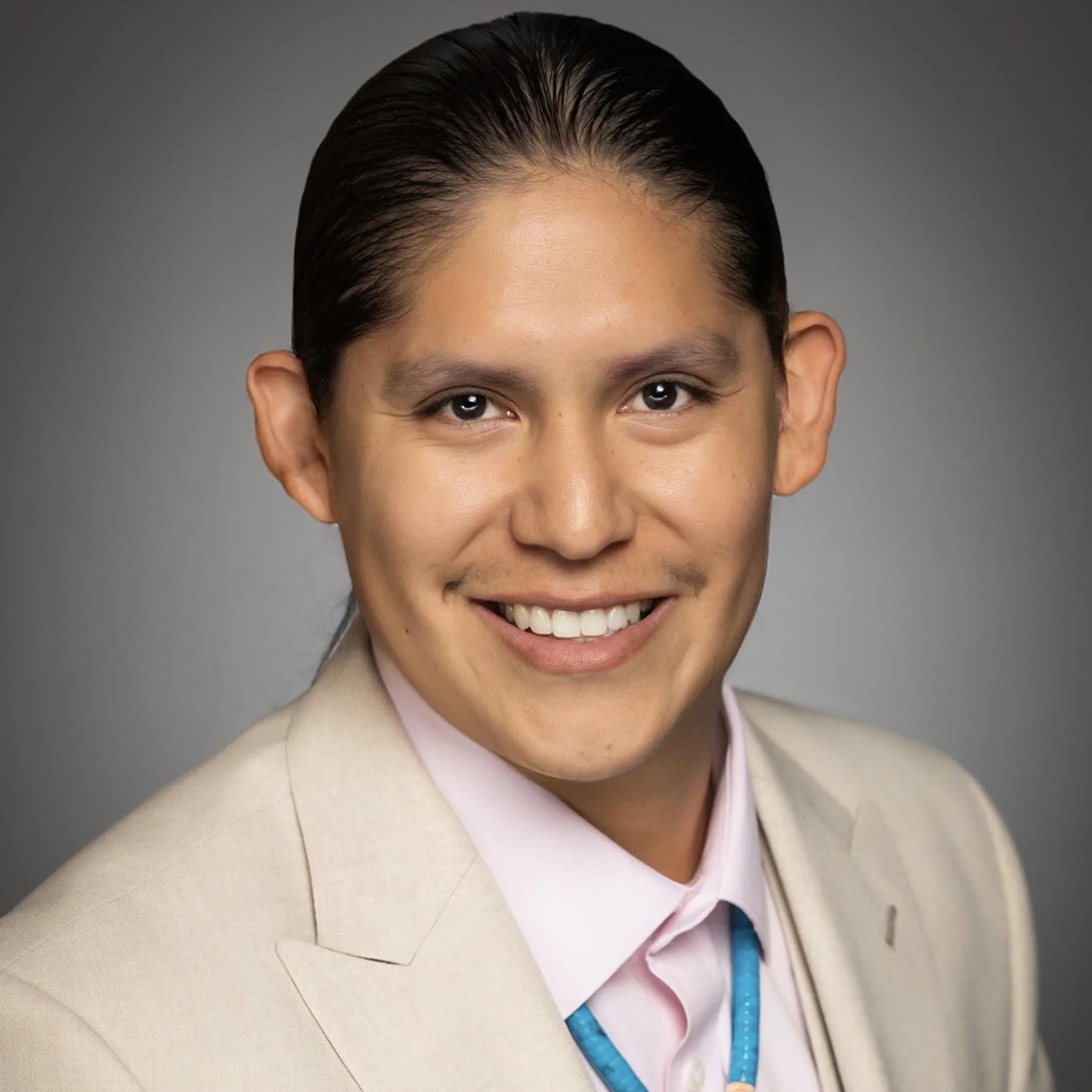
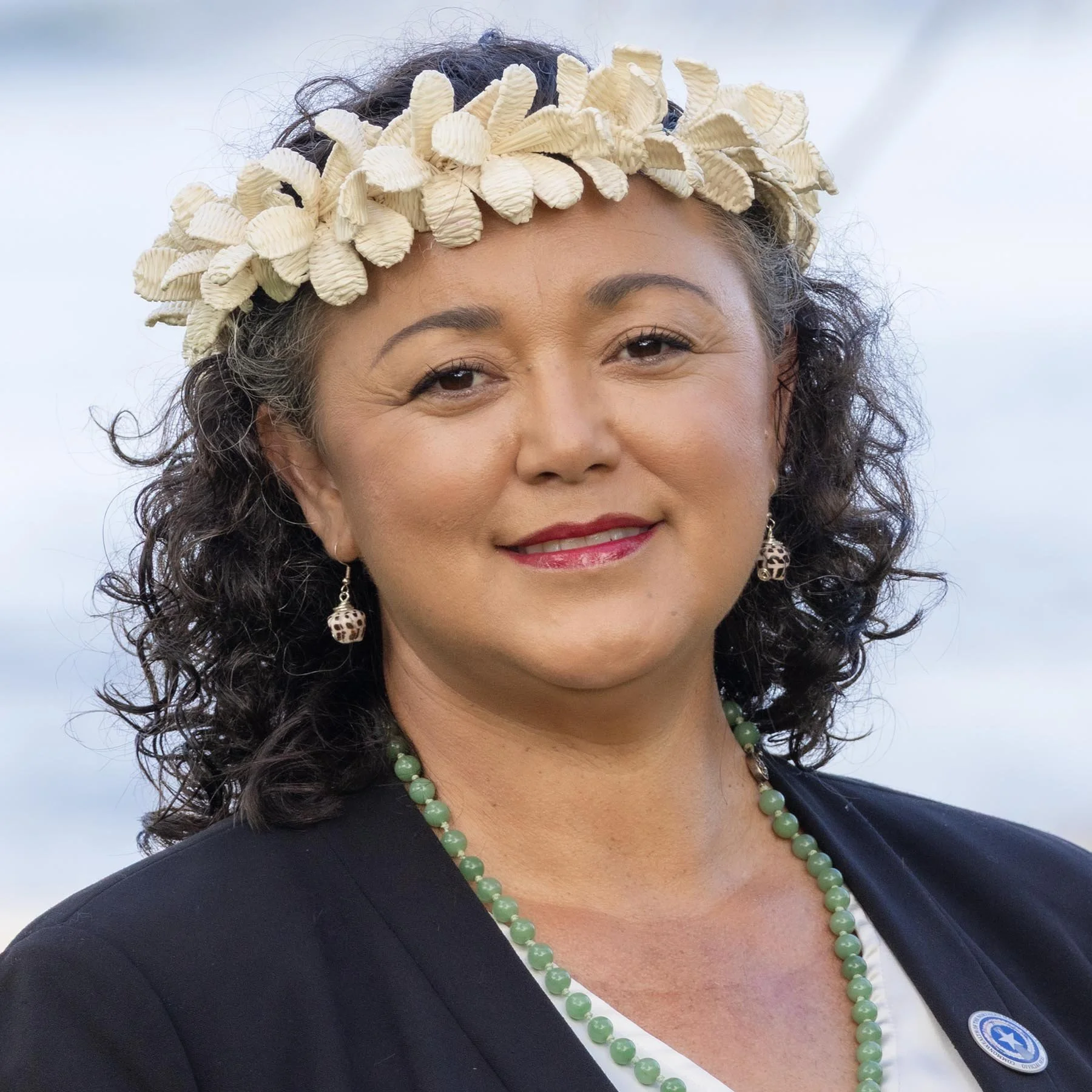
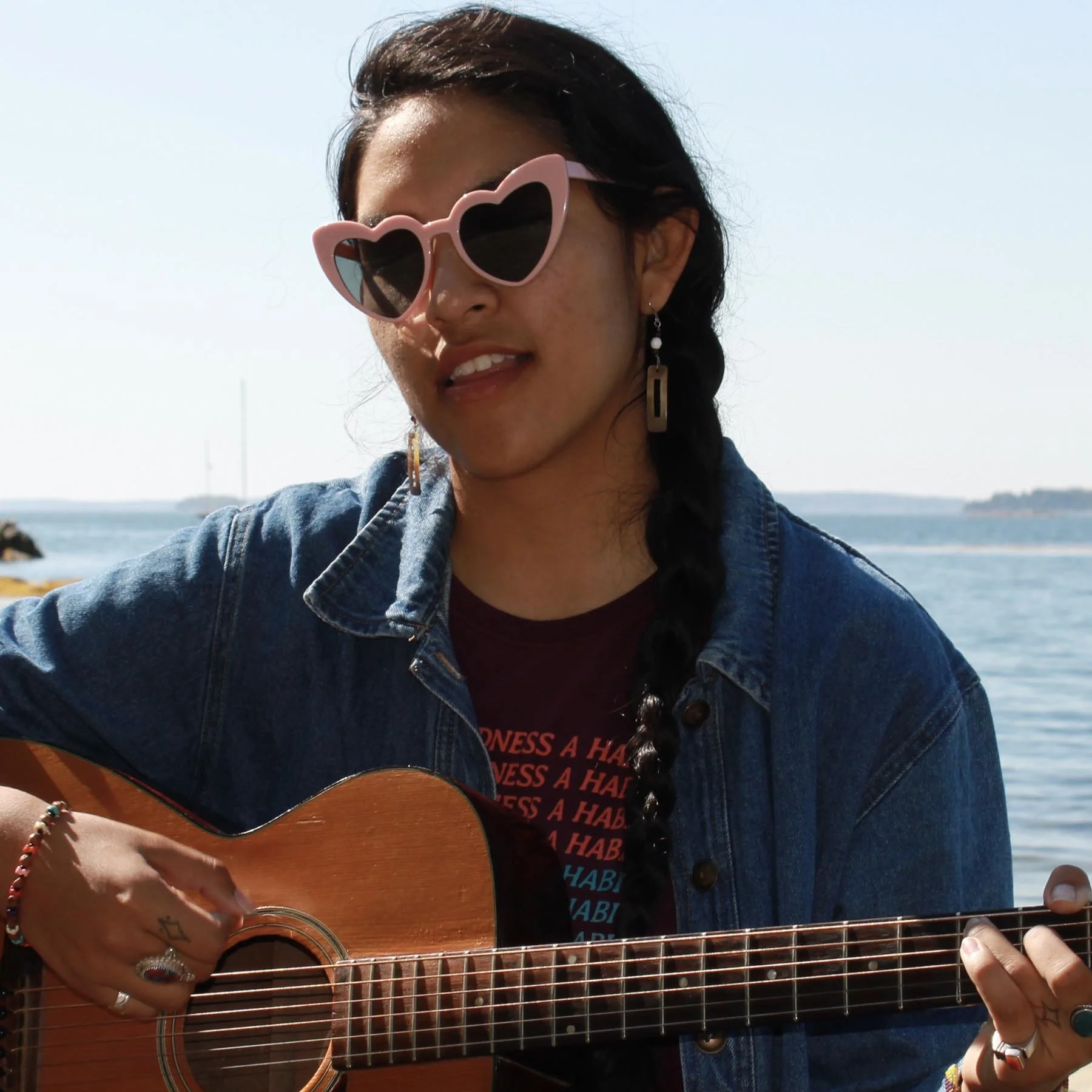
-
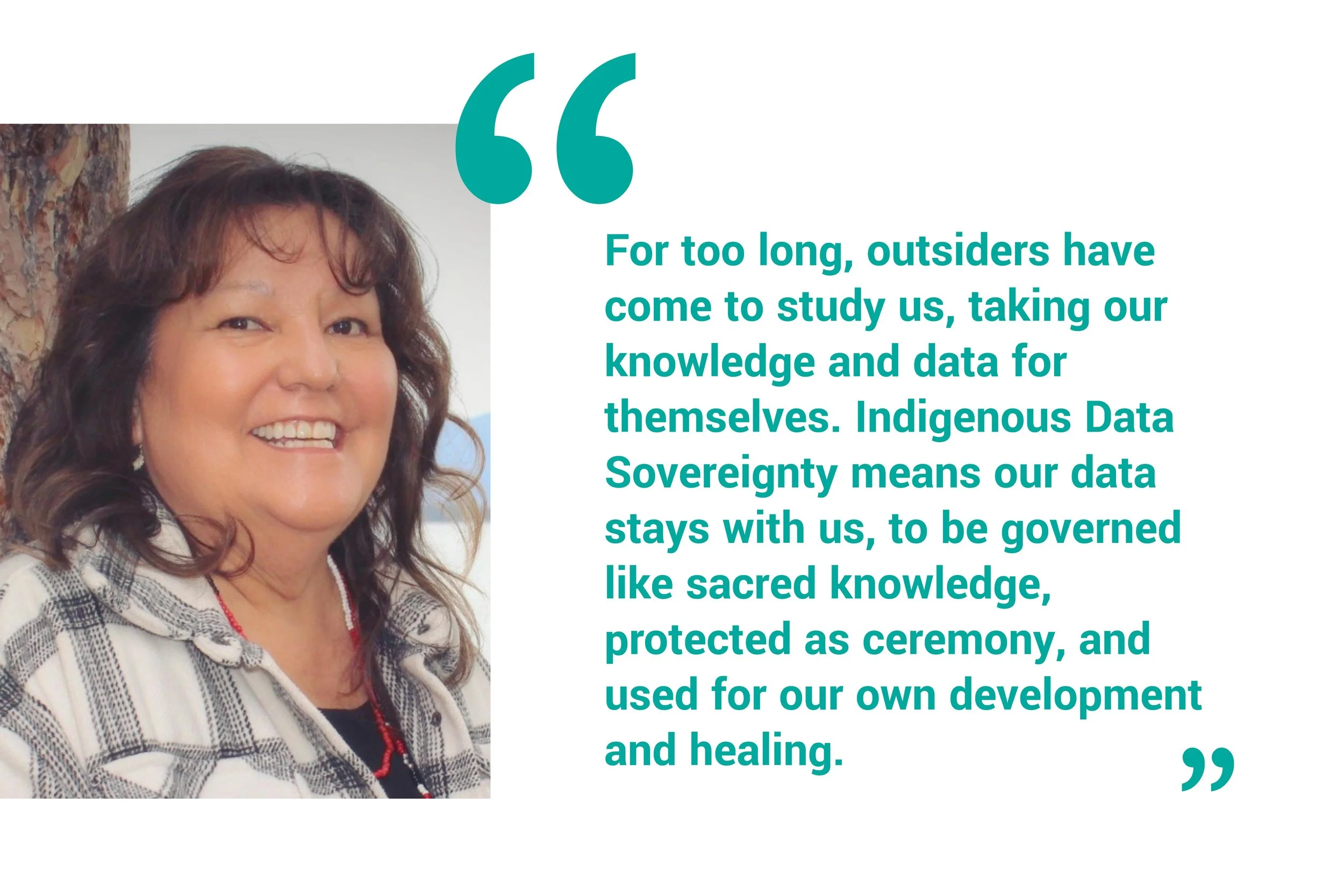
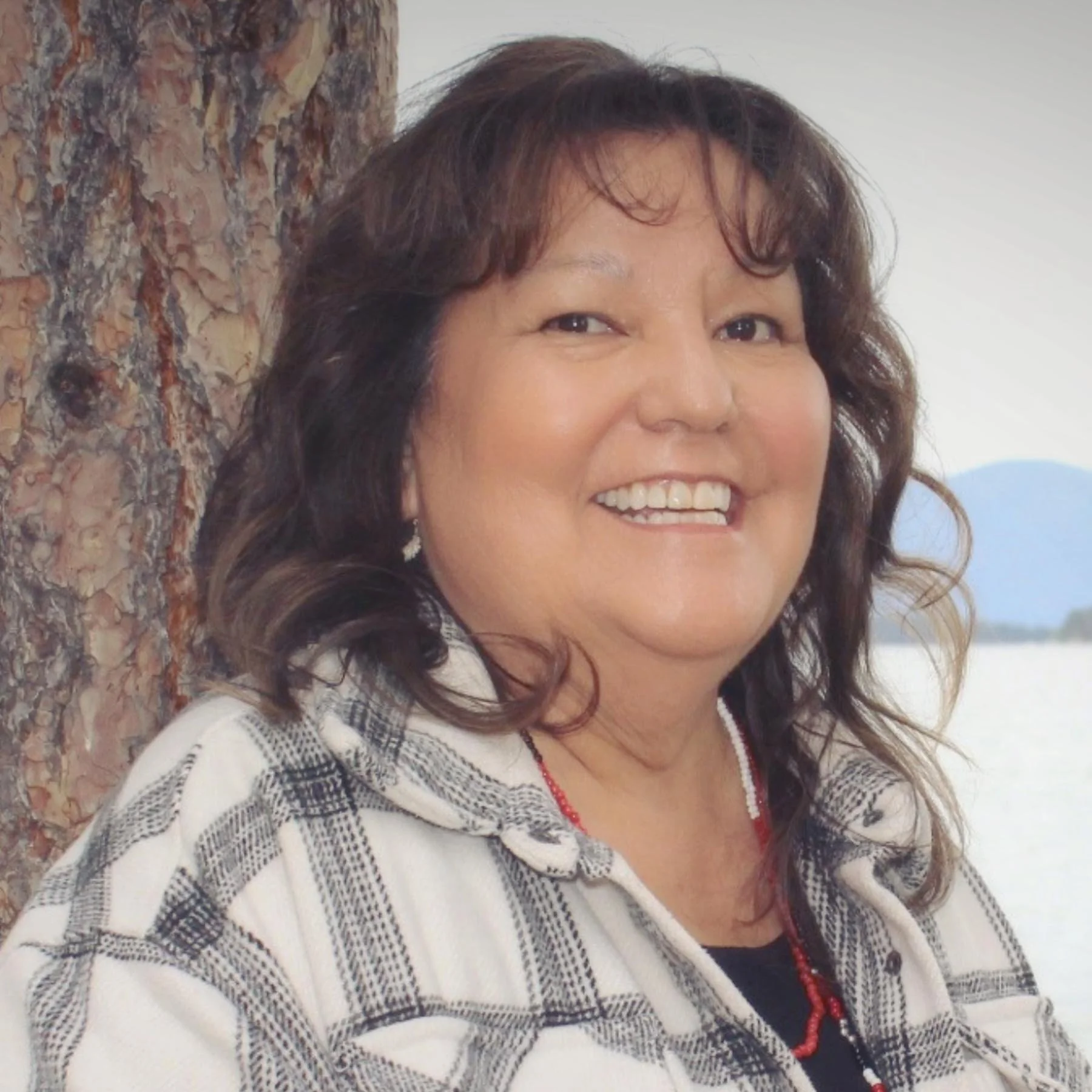
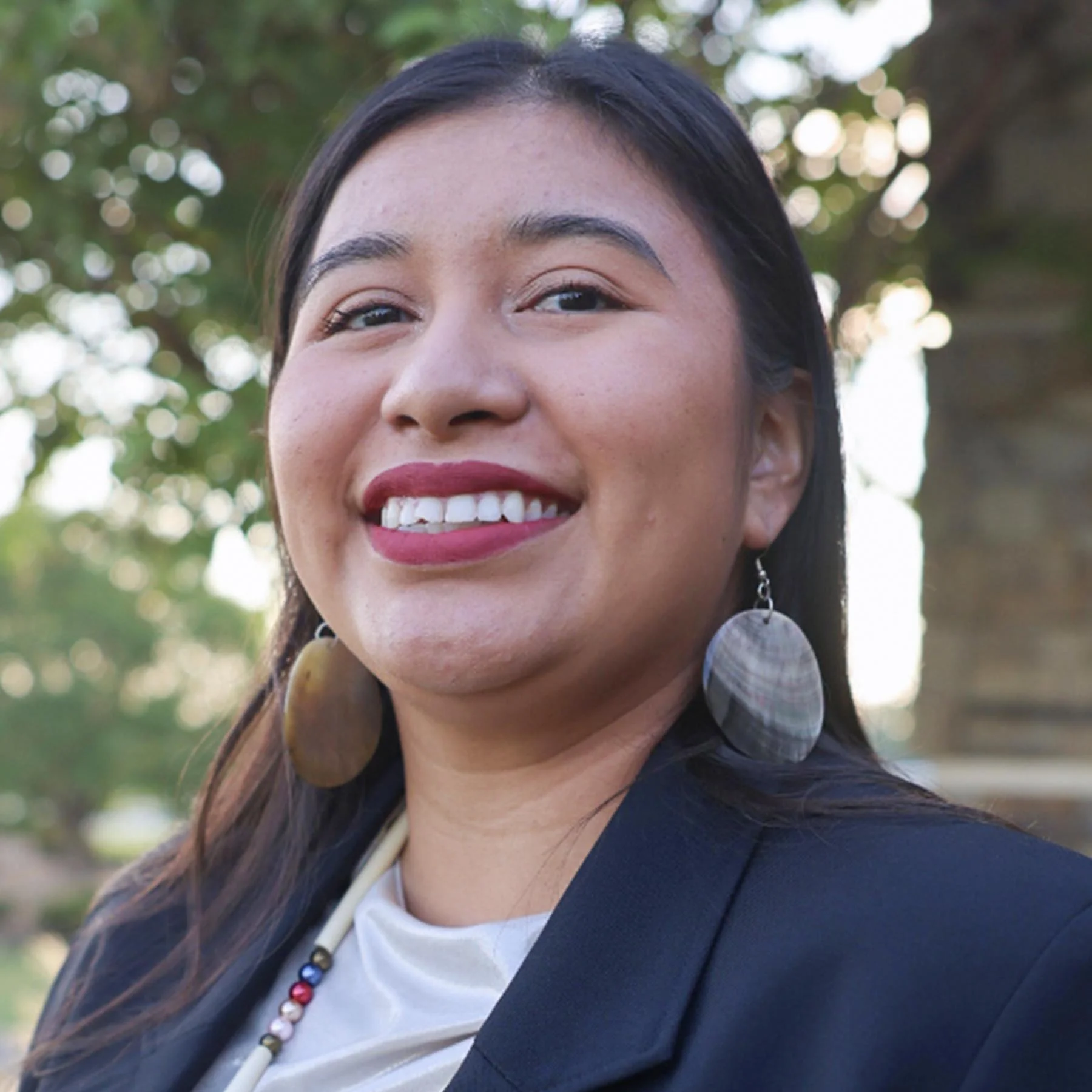
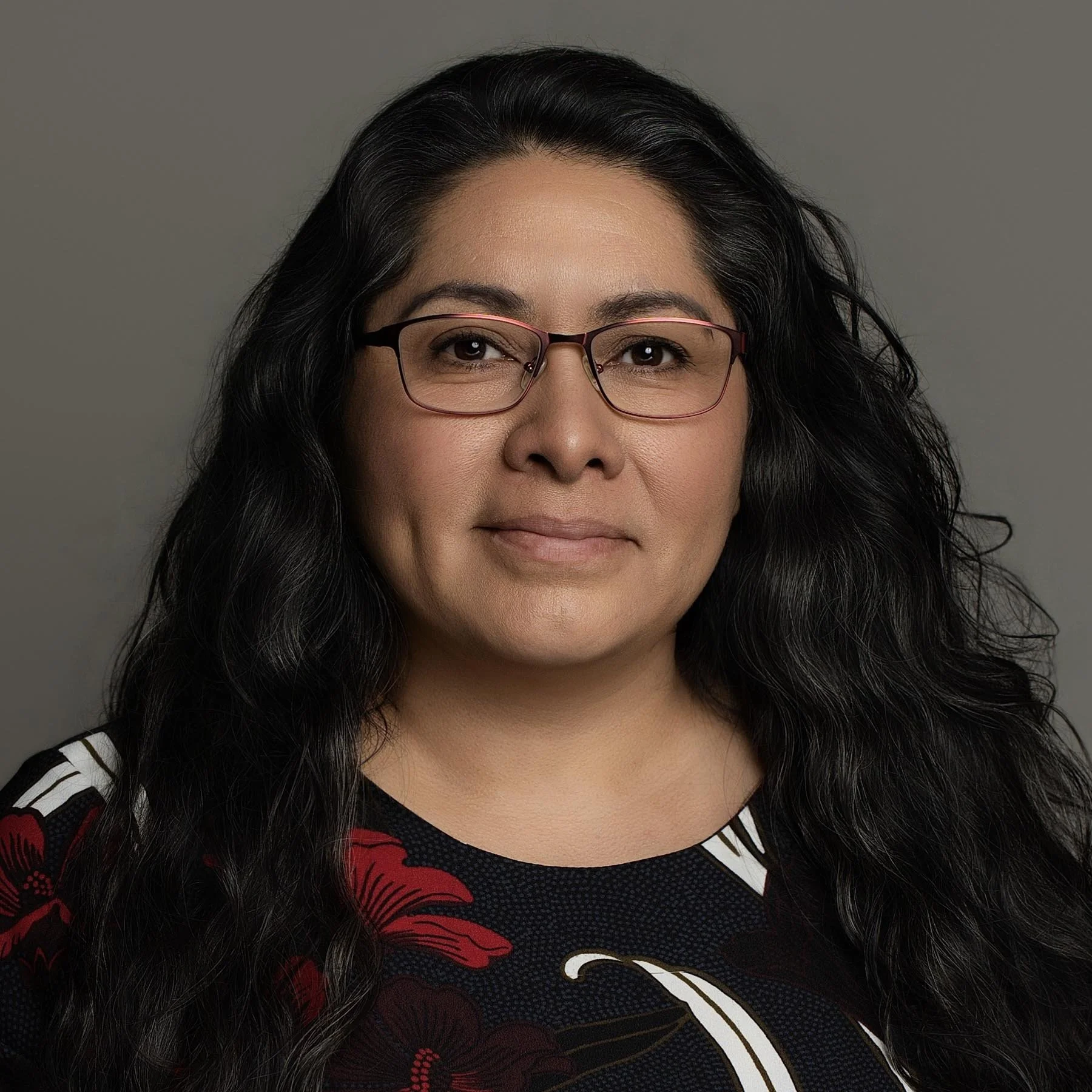
Dr. Johnel H. Barcus, Amskapi Piikani (Blackfeet)
Special Projects Director, Blackfeet Tribal Health
I am Dr. Johnel H. Barcus, Amskapi Piikani (Blackfeet), Special Projects Director for Blackfeet Tribal Health, leading our Data Sovereignty efforts. For us, data and research are ceremony, governed by the same protocol and relationship as sacred knowledge. Through this fellowship, I hope to learn how to institutionalize data sovereignty for my Tribe, protecting our data as the sacred resource it is.
-
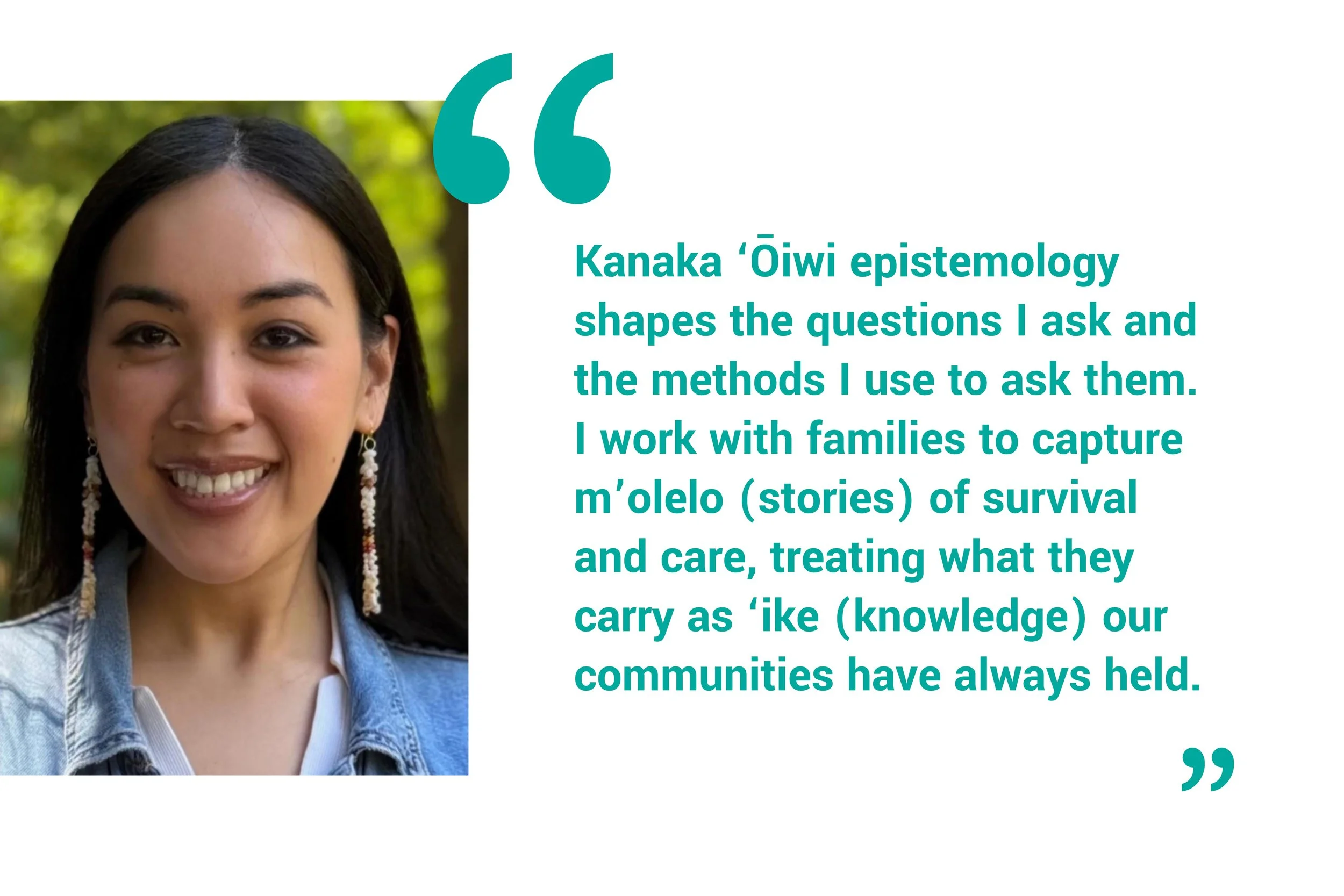
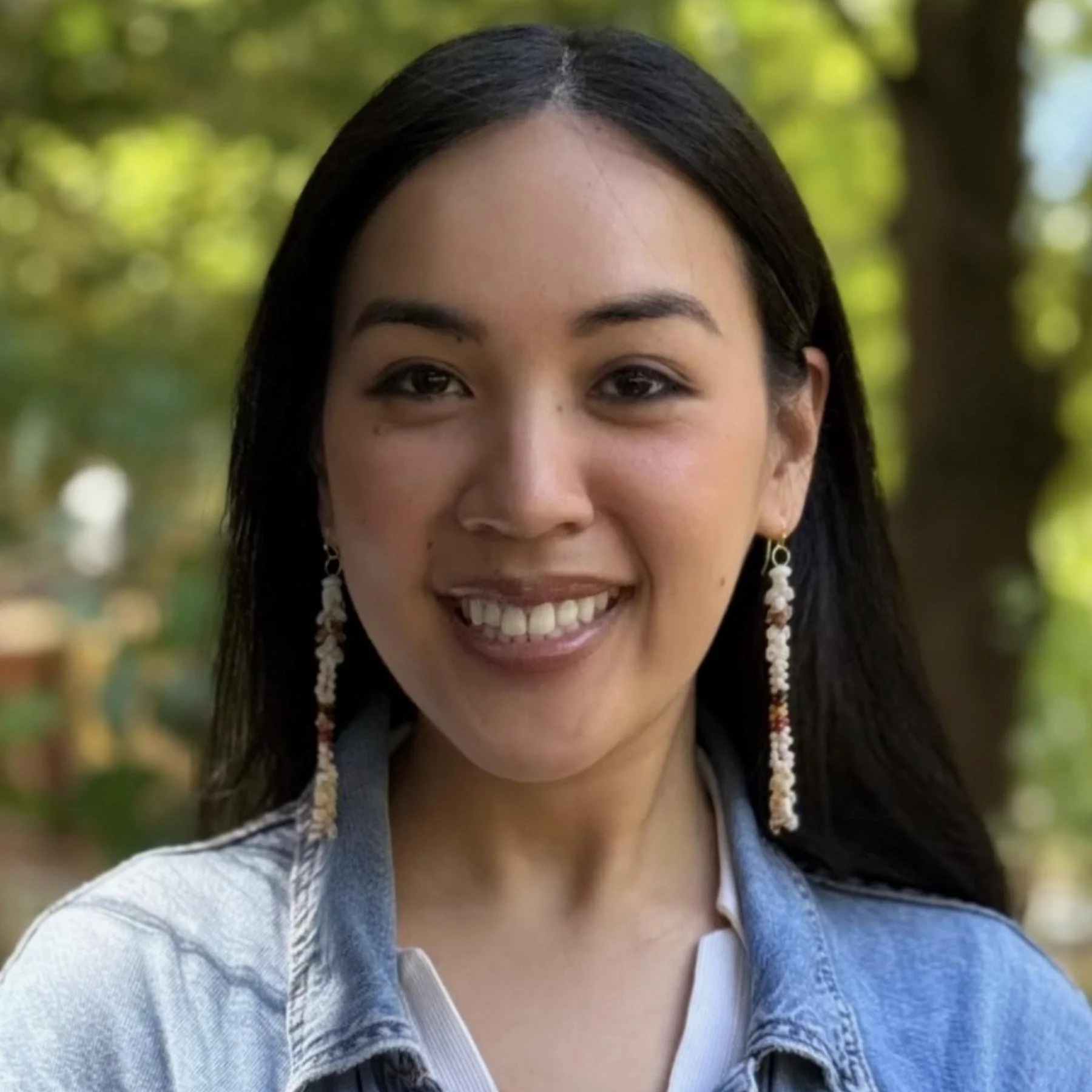
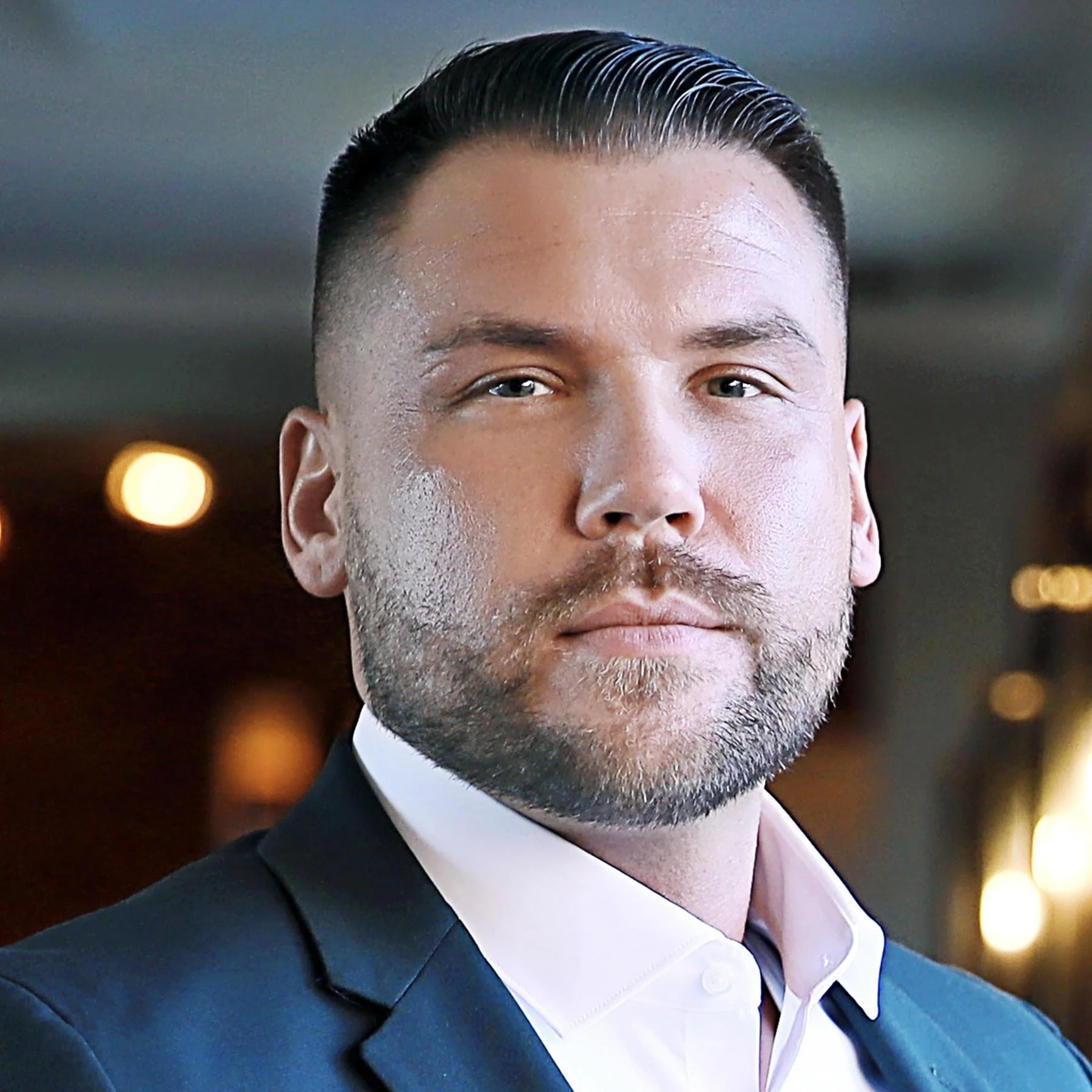
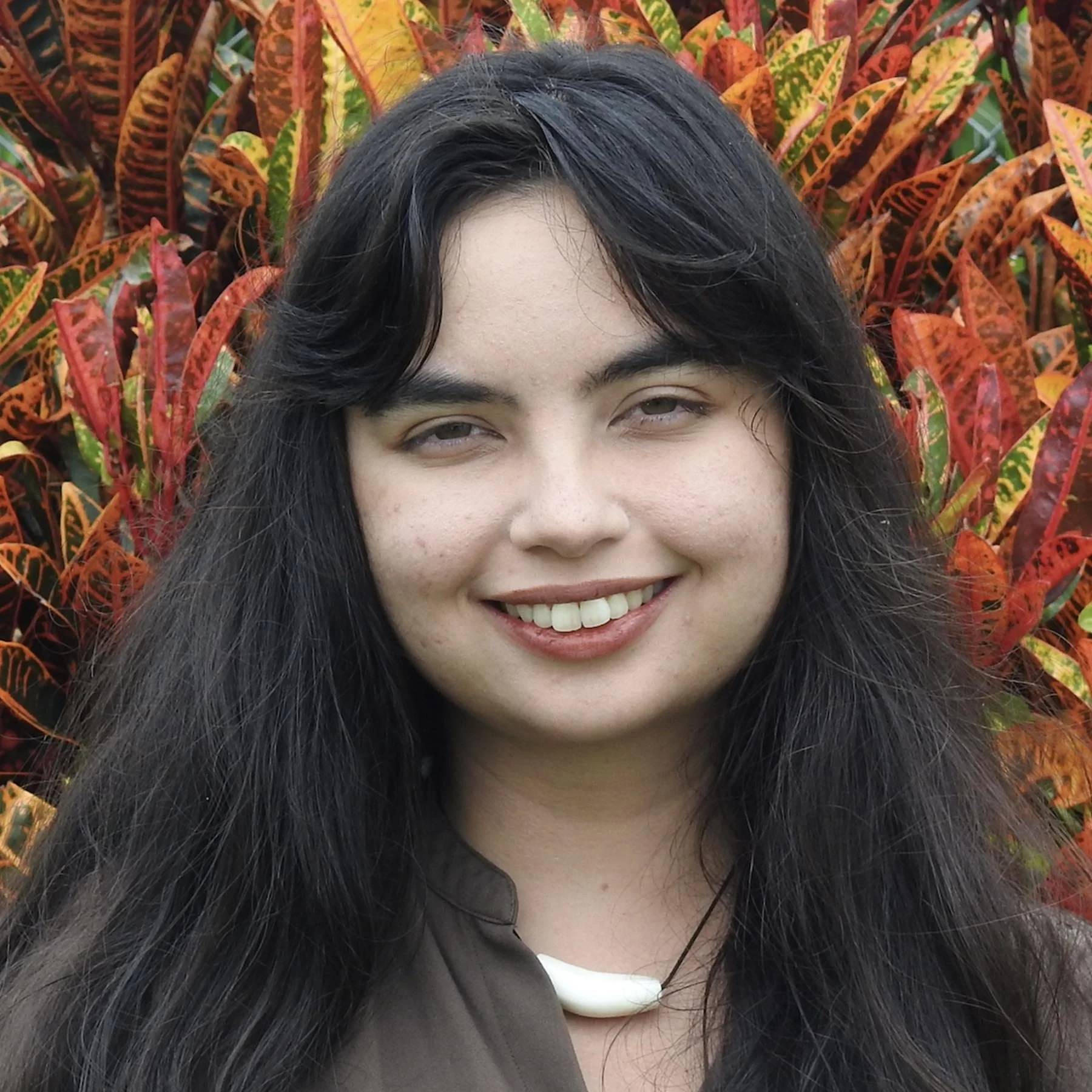
Megan Camargo (Kanaka ‘Ōiwi (Hawaiian))
Mōhala Government & Policy Fellow, Ka ʻAha Lāhui O ʻŌlekona, Hawaiian Civic Club of Oregon
Megan is a Maui native and the Mōhala Fellow at Ka ʻAha Lāhui O ʻŌlekona, where she works on elder care for Native Hawaiians and Pacific Islanders across Oregon and Southwest Washington. She spent years as her grandmother's primary caregiver as her dementia progressed, one of the greatest honors of her life. That experience drives her work to make sure our kūpuna (elders) are cared for and remembered, in the diaspora and in the islands.
-
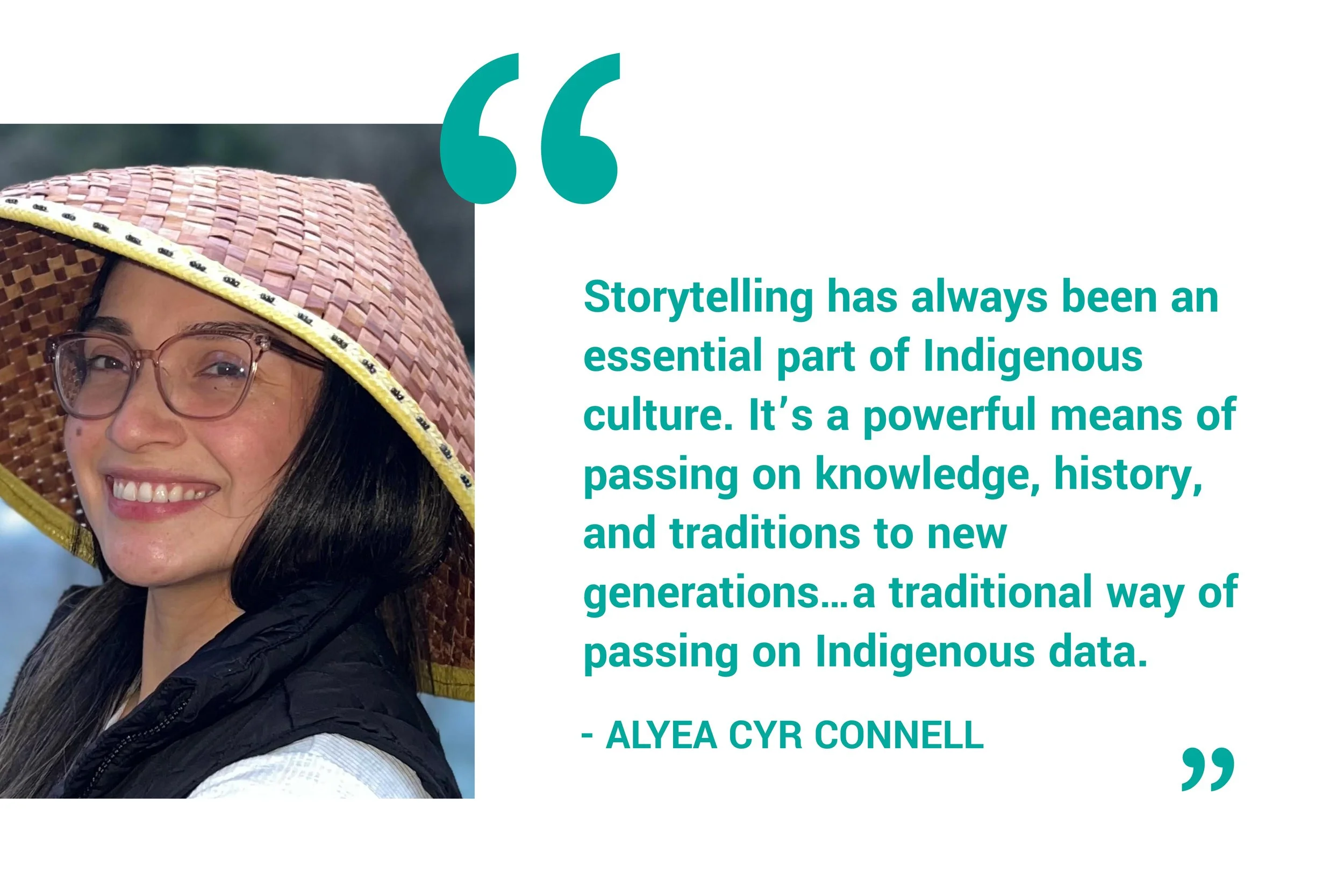
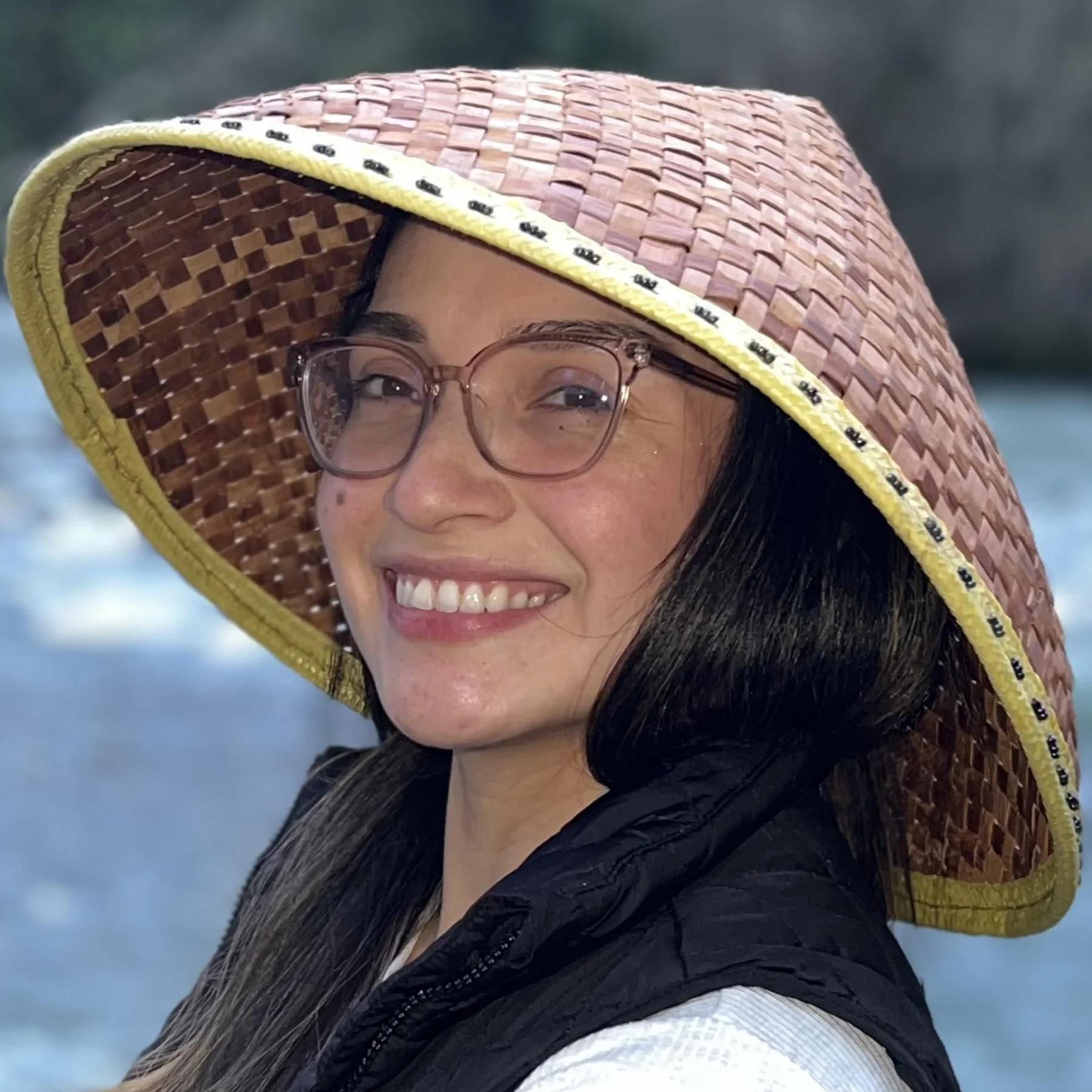
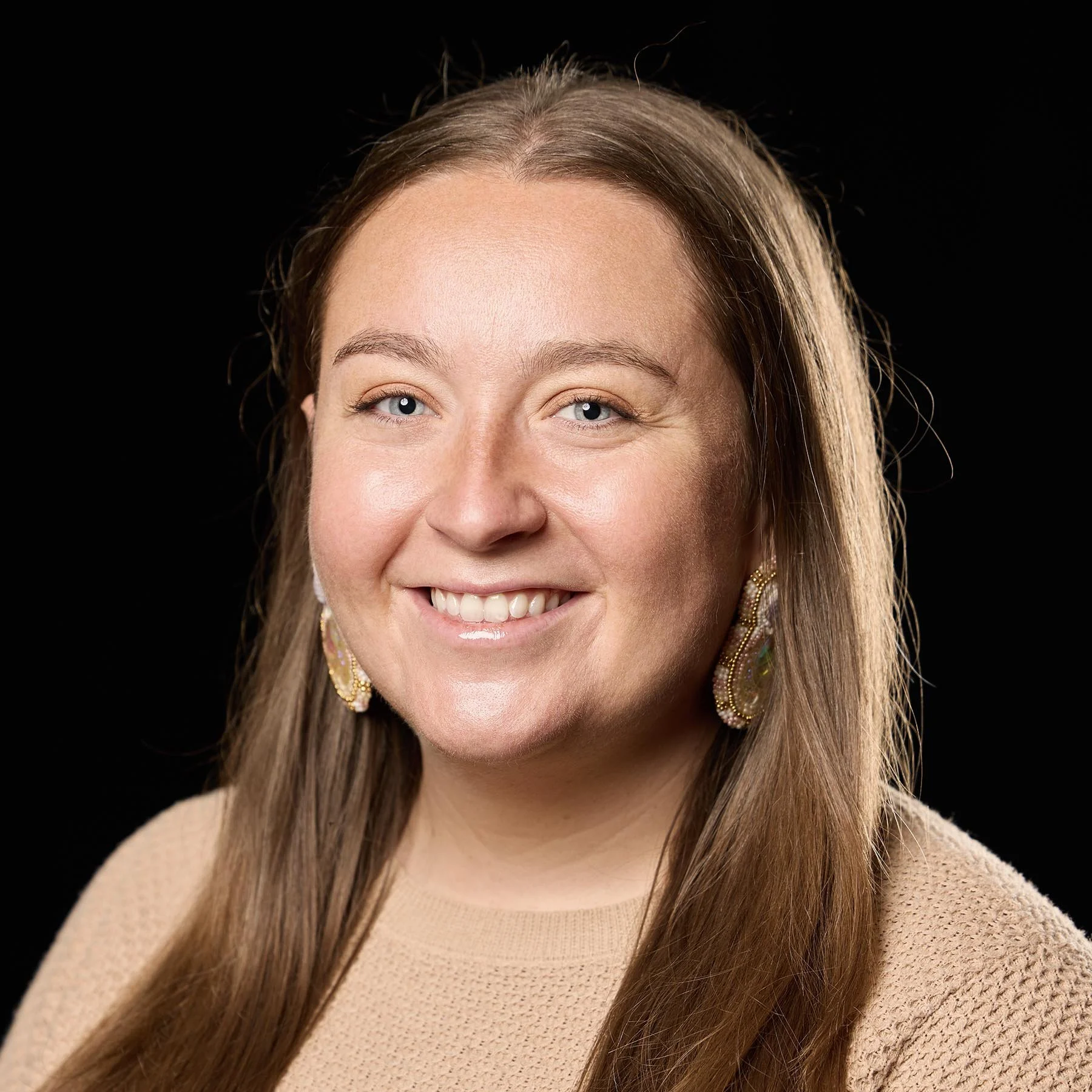
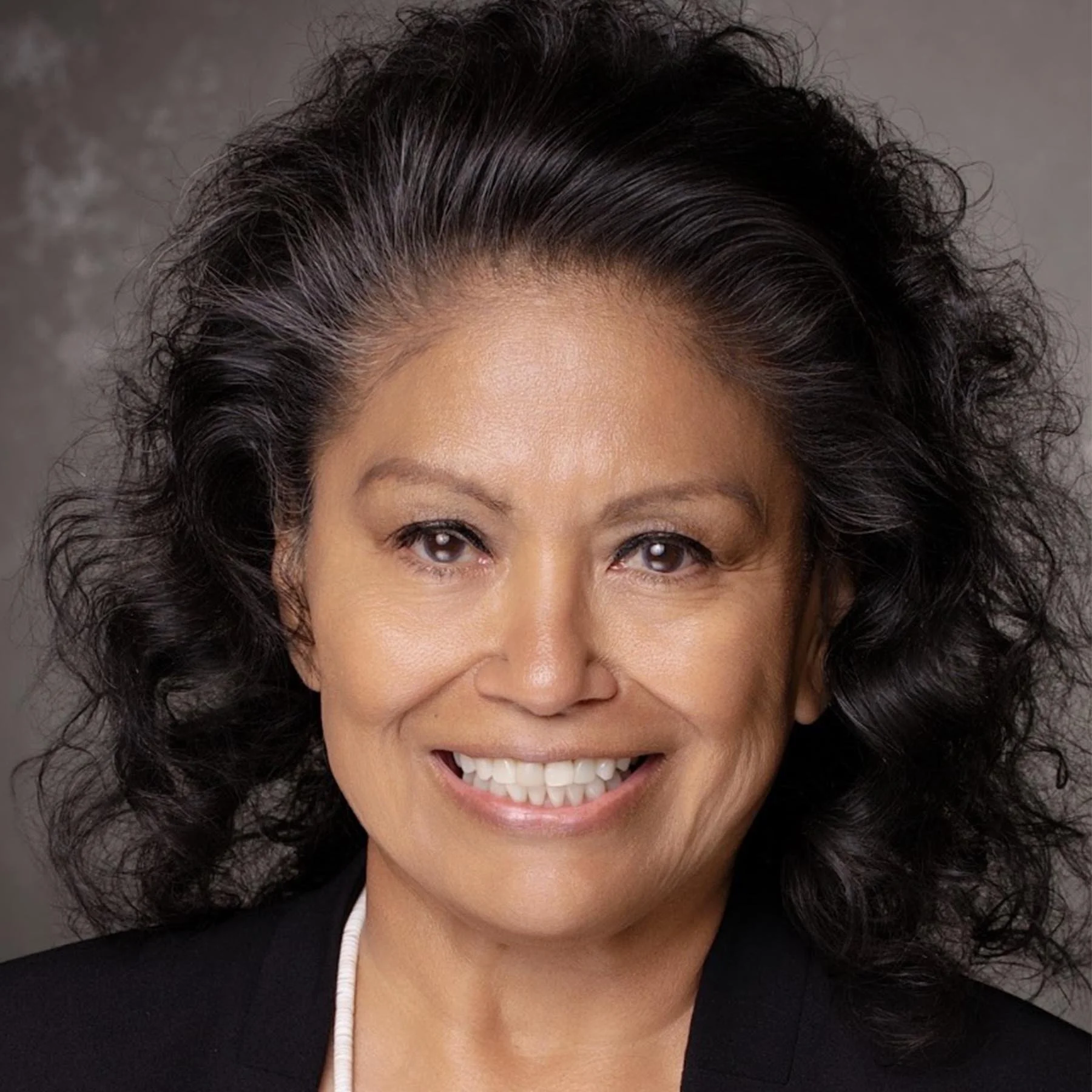
Stephanie Cultee (Nooksack Indian Tribe)
Treaty Rights Policy Analyst, The Tulalip Tribes
Stephanie Cultee is a citizen of the Nooksack Indian Tribe and a Treaty Rights Policy Analyst for The Tulalip Tribes. She is the founder of Indigenous Beginnings, a Native-led nonprofit advocating for cultural revitalization, food sovereignty, and reconnecting people to the land, waters, and our responsibilities to care for them. A Northwest Indian College graduate of Native Environmental Science, Stephanie is eager to learn more about IDSov and IDGov and how indigenous communities can use their own data to shape their futures.
-
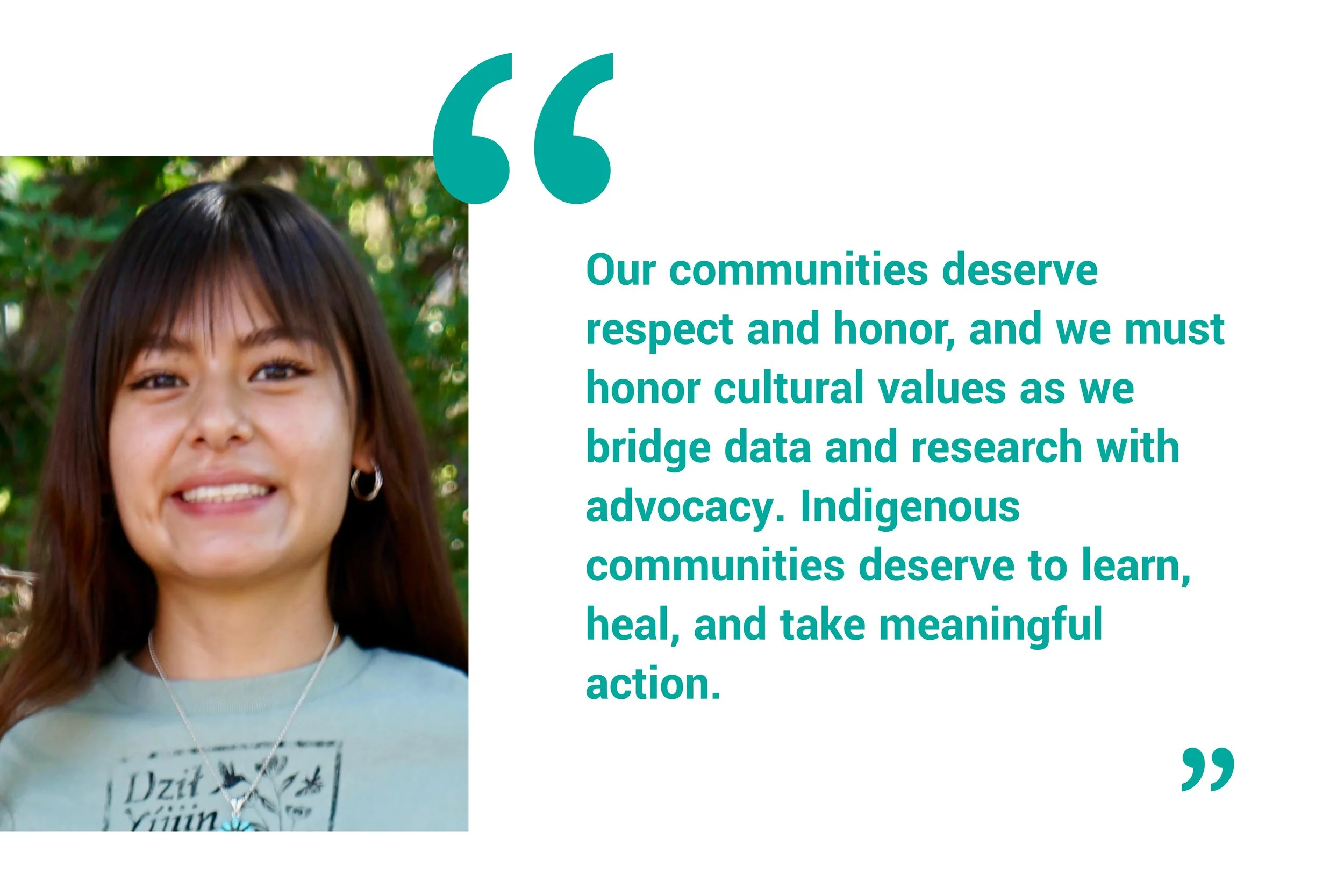
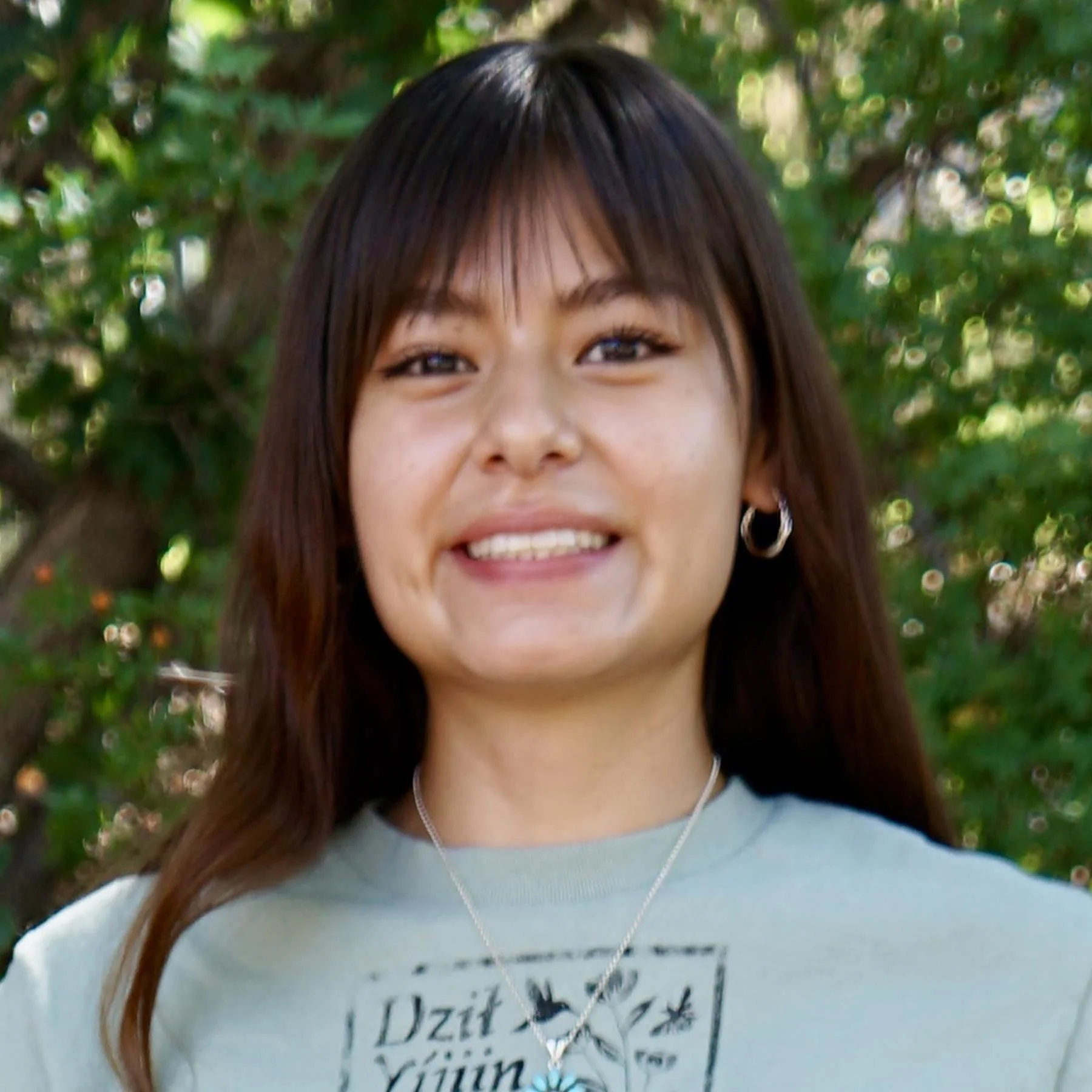
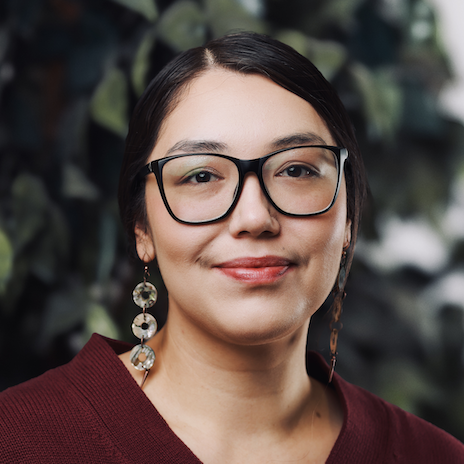
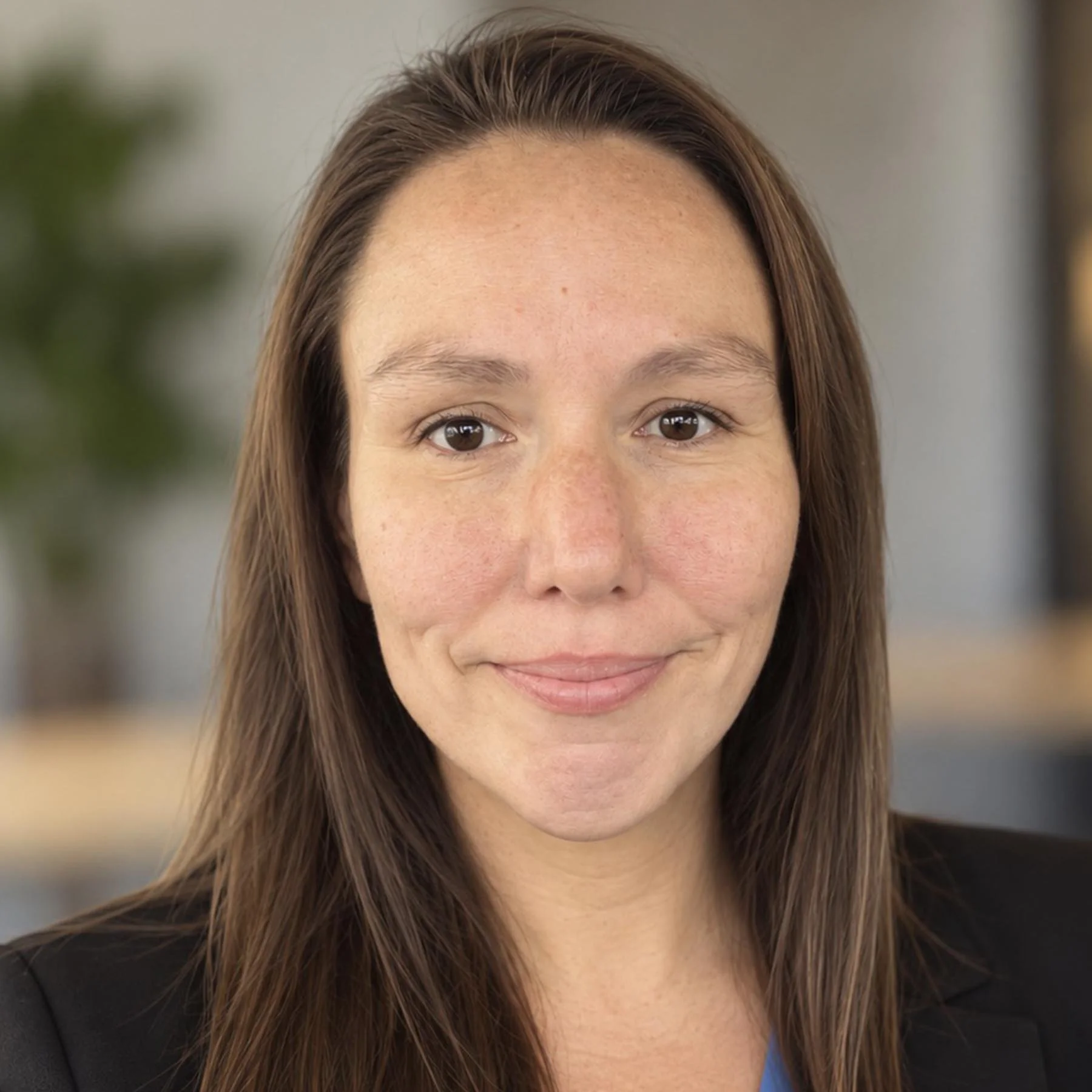
Kaya Dickson (Diné (Navajo))
Community Organizer, Tó Nízhoní Ání
Kaya is from the Navajo Nation. She earned a Bachelor of Science in Sociology with a minor in Criminology and Criminal Justice. She is a community organizer for the Dinê-led nonprofit organization, Tó Nízhoní Ání, which focuses on environmental advocacy on Black Mesa. She has built a foundation in researching social factors that affect tribal communities, with experience in land stewardship, data analysis, and advocacy. Kaya focuses on honoring cultural values while mapping progress solutions.
-
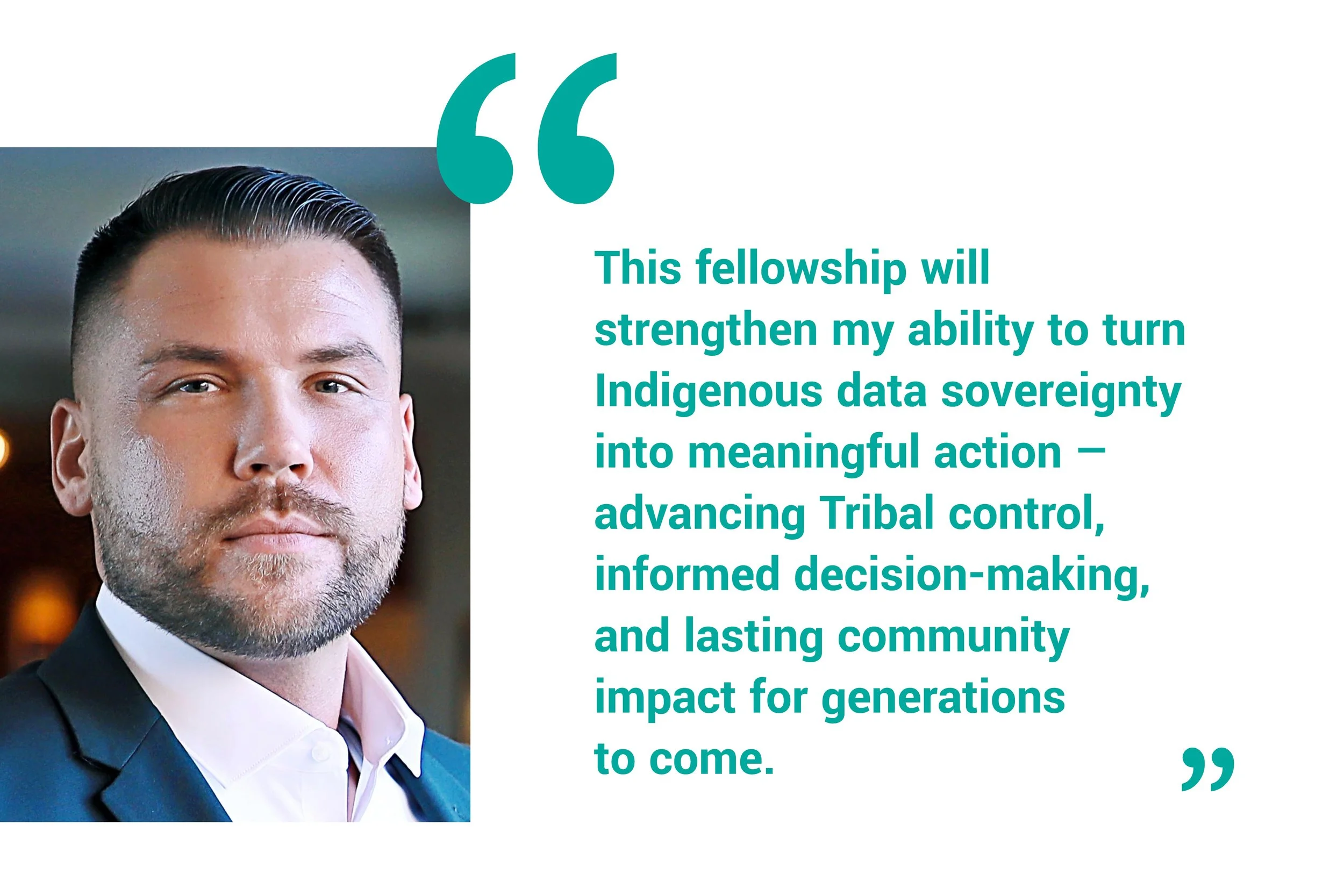
Thomas Grace (MHA Nation)
Executive Director, Service to Sovereignty
Thomas is an Indigenous Army Veteran and Kellogg Executive Nonprofit Management Scholar with a Bachelor’s in Business Administration and a Master’s in Human Resource Management. He brings more than 15 years of experience working in and alongside tribal governments and nonprofits across the United States, with a focus on project management and data analytics. His work centers on implementing new programs and systems, optimizing organizational performance, and using data to demonstrate measurable impact.
-
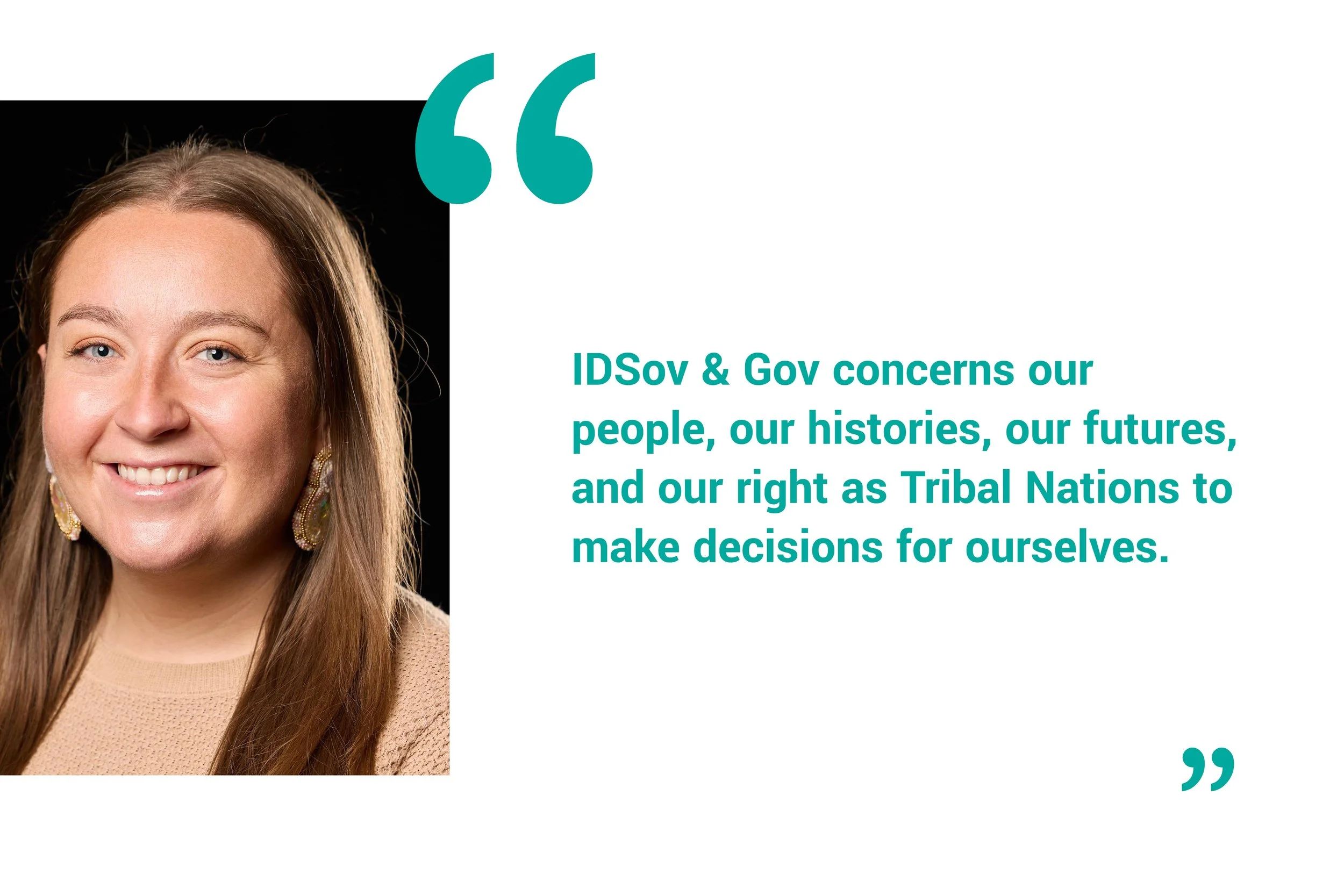
Brooke Hanohano (Choctaw Nation of Oklahoma)
Senior Enterprise Strategist, Choctaw Nation of Oklahoma
Brooke Hanohano is a citizen of the Choctaw Nation of Oklahoma and serves as a Senior Enterprise Strategist with the Nation, where she supports enterprise-wide strategy and operational transformation. She holds an undergraduate degree in Native American Studies from Dartmouth College and a master’s degree in History from the University of Oklahoma. Her work is grounded in service to Indigenous communities and in strengthening approaches to data, strategy, and governance that reflect Tribal priorities, knowledge, and sovereignty.
-
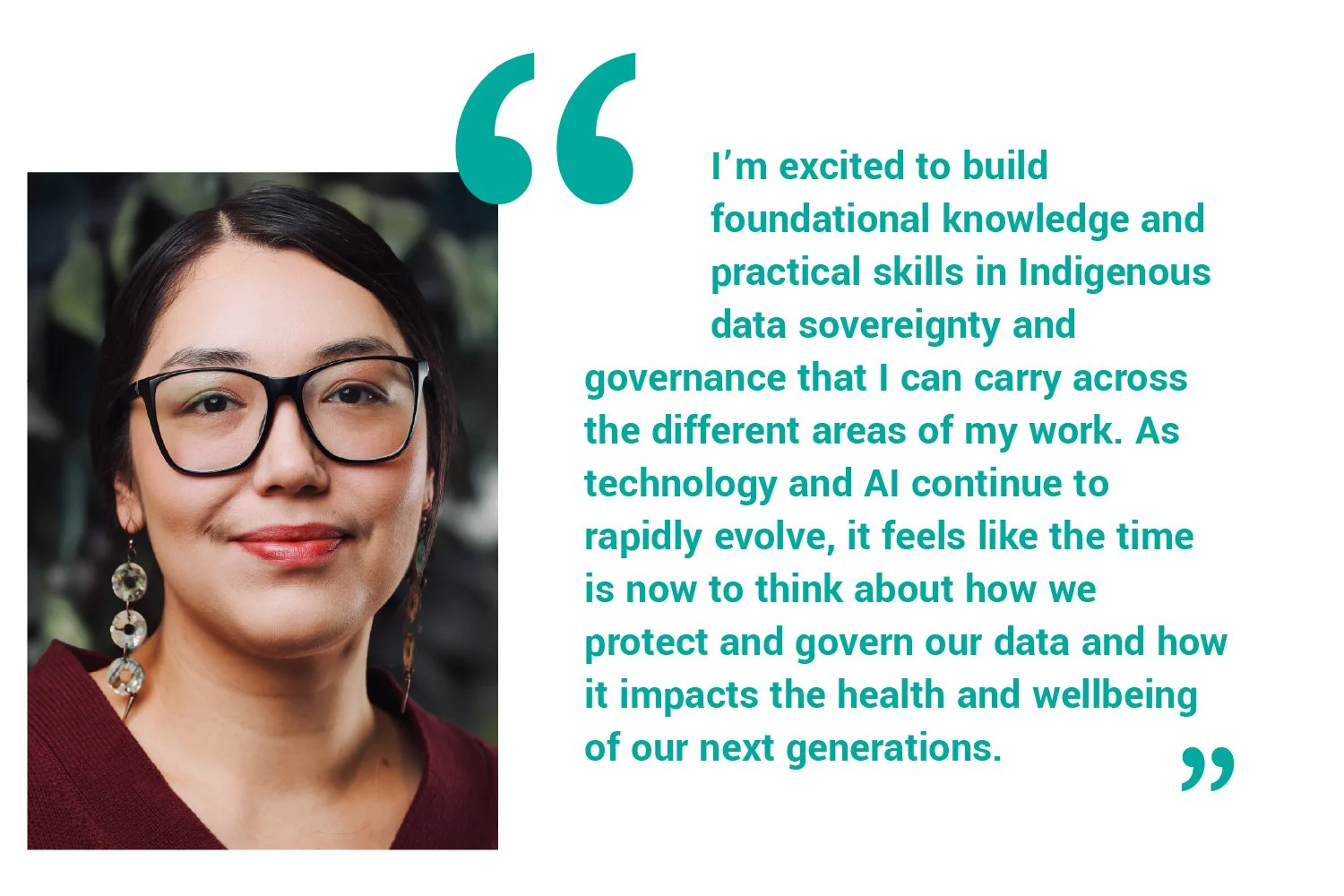
Shawna Hotch (Jilkáat Kwáan)
Public Health Professional
Shawna Hotch is a mother, sister, grandchild, and member of the Jilkáat Kwáan from Klukwan in Southeast Alaska. A public health professional and Tribal councilwoman, her work centers on Tribal governance, community development, and protecting Haa Kusteeyí, our way of life. She is interested in how data systems, from zipcodes to AI, shape Tribal representation and sovereignty, and hopes to help protect Tribal data for the wellbeing of our next generations.
-
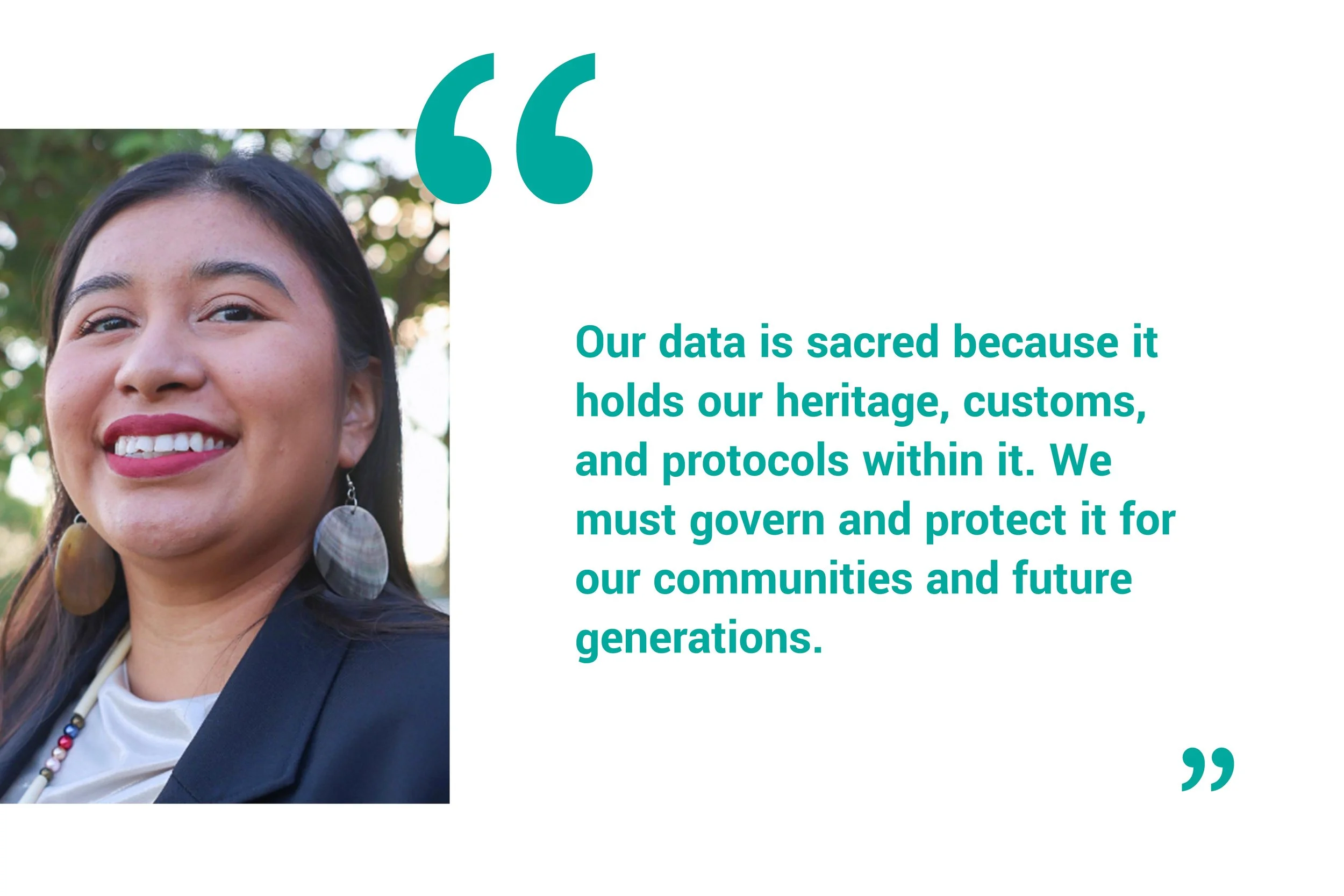
Sadie R. Littlecreek (Absentee Shawnee)
Research Specialist/ Chair of IRB, College of the Muscogee Nation
Sadie R. Littlecreek is an Absentee Shawnee citizen. She worked at the University of Oklahoma for the Center for Ethics and Indigenous Genomic Research (CEIGR) and Genomics and Ethics program for Native Students (GEN). Currently, she is the Research Specialist and Chair of the IRB for the College of the Muscogee Nation and is working on revising CMN’s Institutional Review Board. She stays grounded by beading and sewing.
-
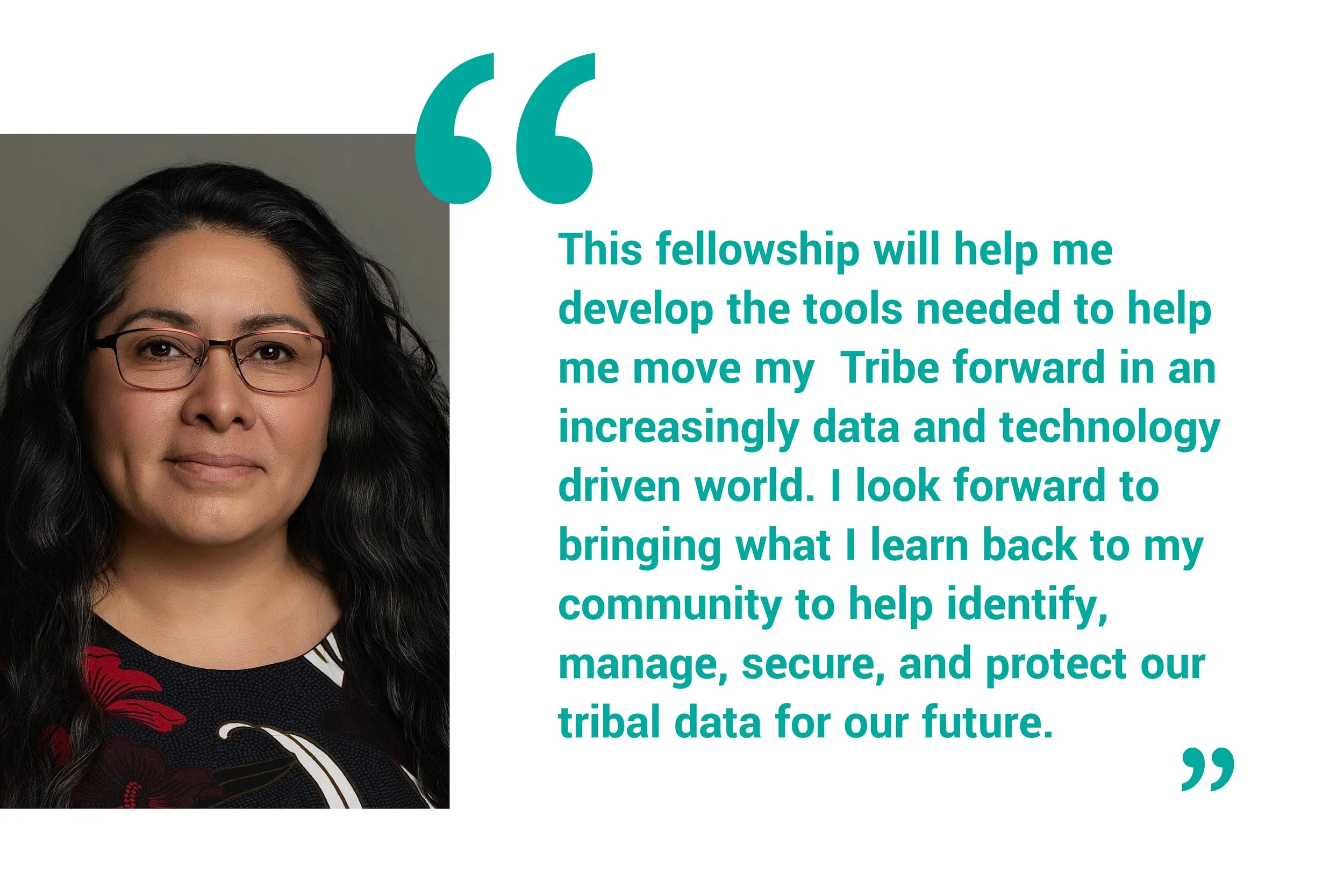
CHRISTINA MCCURDY (Manchester- Point Arena Band of Pomo Indians)
Tribal Community Representative & Member, Language Learner
t̯o ší ʔe Christina, bo: qʰá ʔa: qoyow p’dáhawya kʰe na:pʰó ʔe (My name is Christina. I come from the coast, the west water; river mouth people are my people.) I am a lifelong learner, and Cybersecurity Undergraduate student committed to protecting Indigenous knowledge and data sovereignty. As a former Tribal Vice Chair, Pomo and Cahto language learner, and now community member representative I look forward to learning more on the importance of securing our language, videos, and cultural knowledge and bringing it back to my community.
-
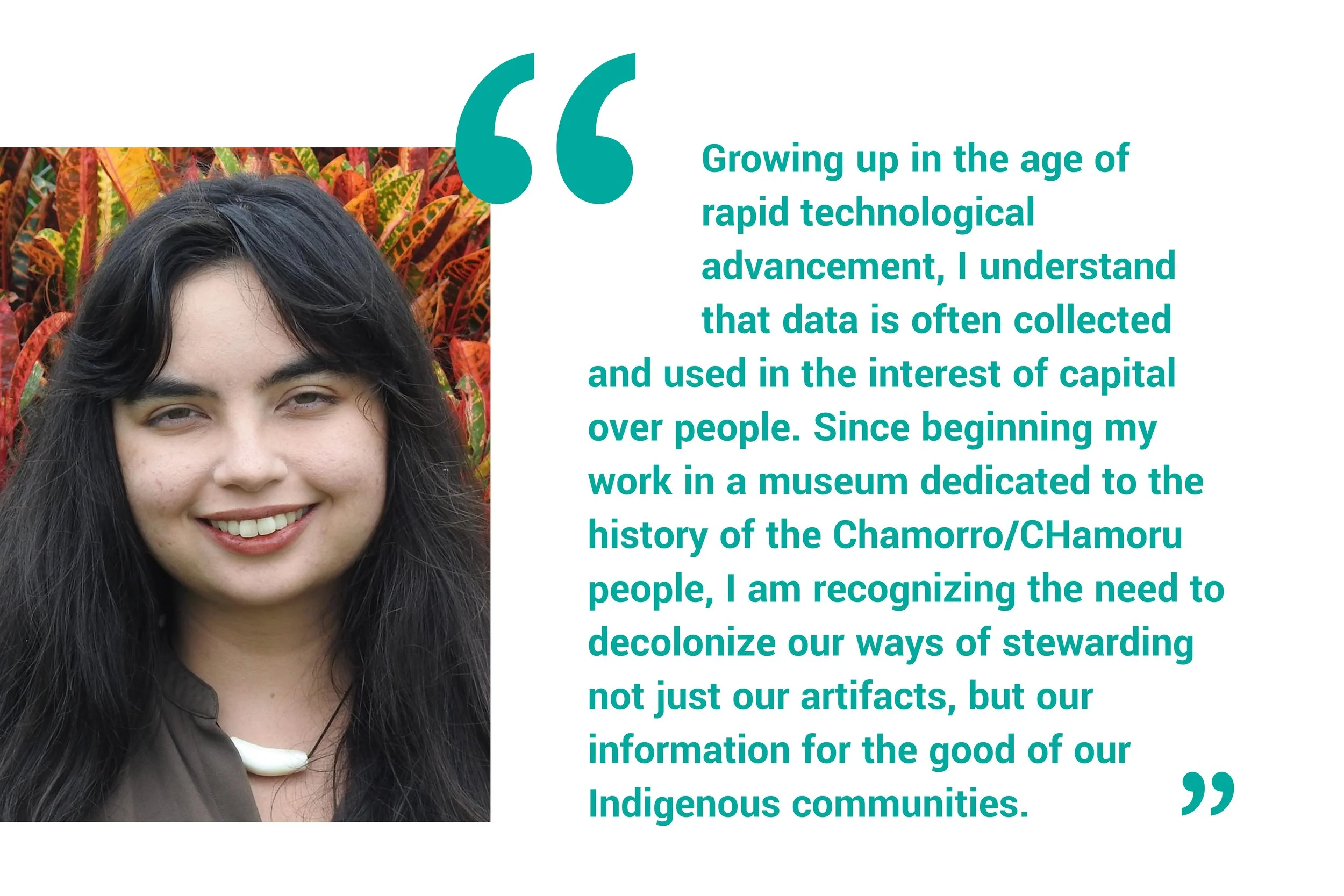
Tonya Dee McDaniel (Chamorro/CHamoru)
Museum Assistant, Department of CHamoru Affairs Guam Museum
Tonya Dee McDaniel is a mixed Indigenous Chamorro/CHamoru and White artist born and raised in the island of Guam since 1999. She earned a Bachelor of Fine Arts Degree at the University of Guam in 2021, and currently works as a museum assistant at the Department of CHamoru Affairs Guam Museum. Her goal is to be an active member of her local and indigenous communities, and become a bridge for future generations.
-
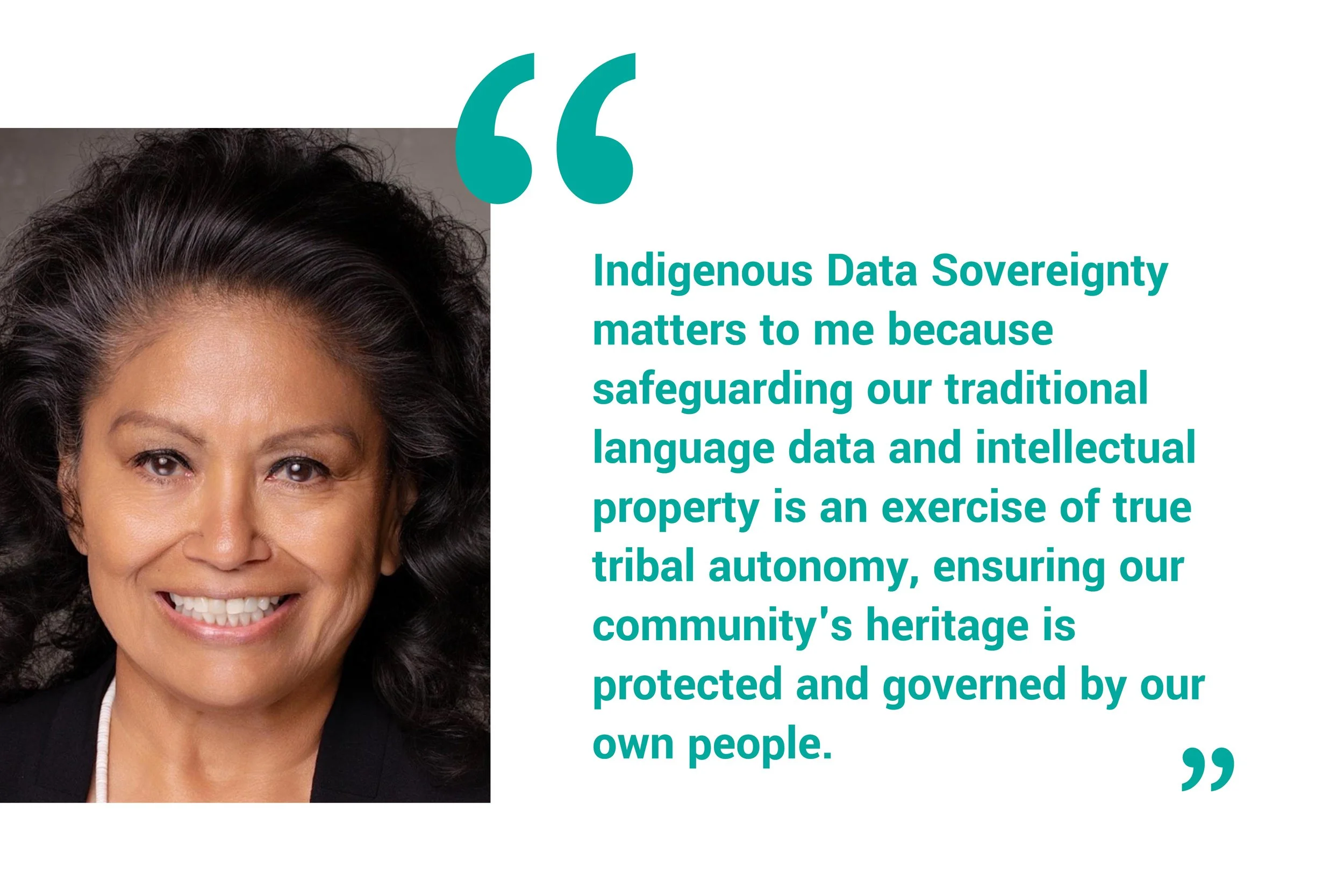
Lisa Minthorn (Nez Perce enrolled in the Colville Tribes)
Lisa Minthorn holds a B.S. in Electrical Engineering from the University of Washington at Seattle. She is an Indigenous data advocate with 15 years of engineering experience spanning IBM and the CTUIR, where she co-architected the Umatilla Online Dictionary with AWS. Her work centers on protecting community intellectual property. As an IDA Fellow, she is leveraging her background to advance tribal AI strategies and governance frameworks, ensuring secure, culturally grounded machine learning and language technology infrastructures.
-
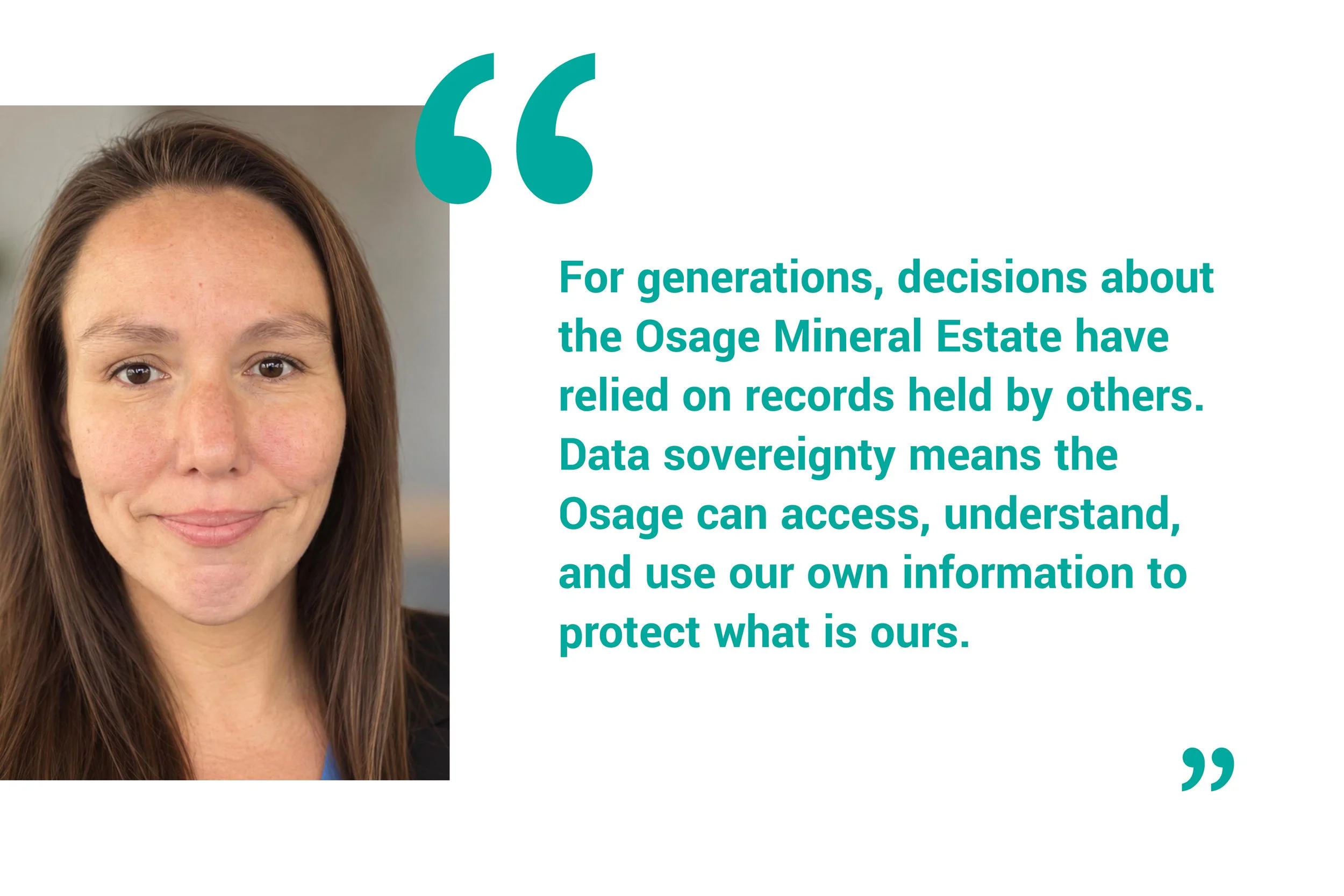
Dr. Lacee Reynolds (Osage Nation)
Chief of Staff, Osage Minerals Council
Dr. Lacee Reynolds is an Osage Nation citizen and Chief of Staff for the Osage Minerals Council. Over the past eleven years, she has worked in the administration of the Osage Mineral Estate, focusing on Tribal governance, federal trust oversight, and royalty administration. Her current work addresses the long-standing challenge of ensuring the Osage has access to data about its own Mineral Estate and a voice in how that information is preserved, governed, and used.
-
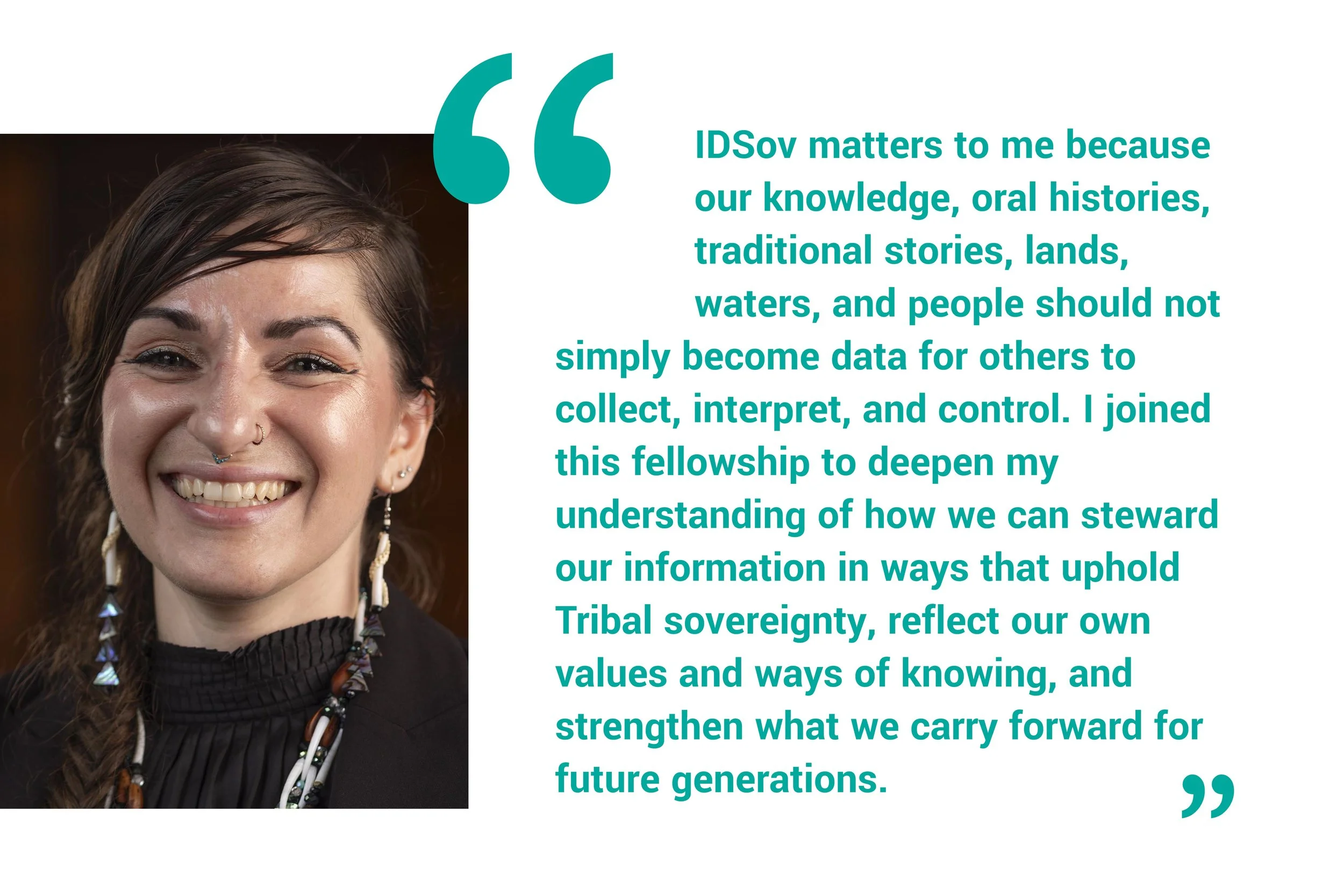
Ashley Russell (miluk coos & Pamunkey)
Director of Culture & Natural Resources and Tribal Council member, Confederated Tribes of Coos, Lower Umpqua, and Siulsaw Indians (CTCLUSI)
Ashley Russell is a miluk coos and Pamunkey person and an enrolled citizen of the Confederated Tribes of Coos, Lower Umpqua and Siuslaw Indians. She serves as Director of Culture and Natural Resources and as an appointed member of Tribal Council. Ashley holds a Master of Natural Resources from Oregon State University. Her work bridges Indigenous Knowledge and Western science to support culturally grounded stewardship, Tribal sovereignty, and the well-being of present and future generations.
-
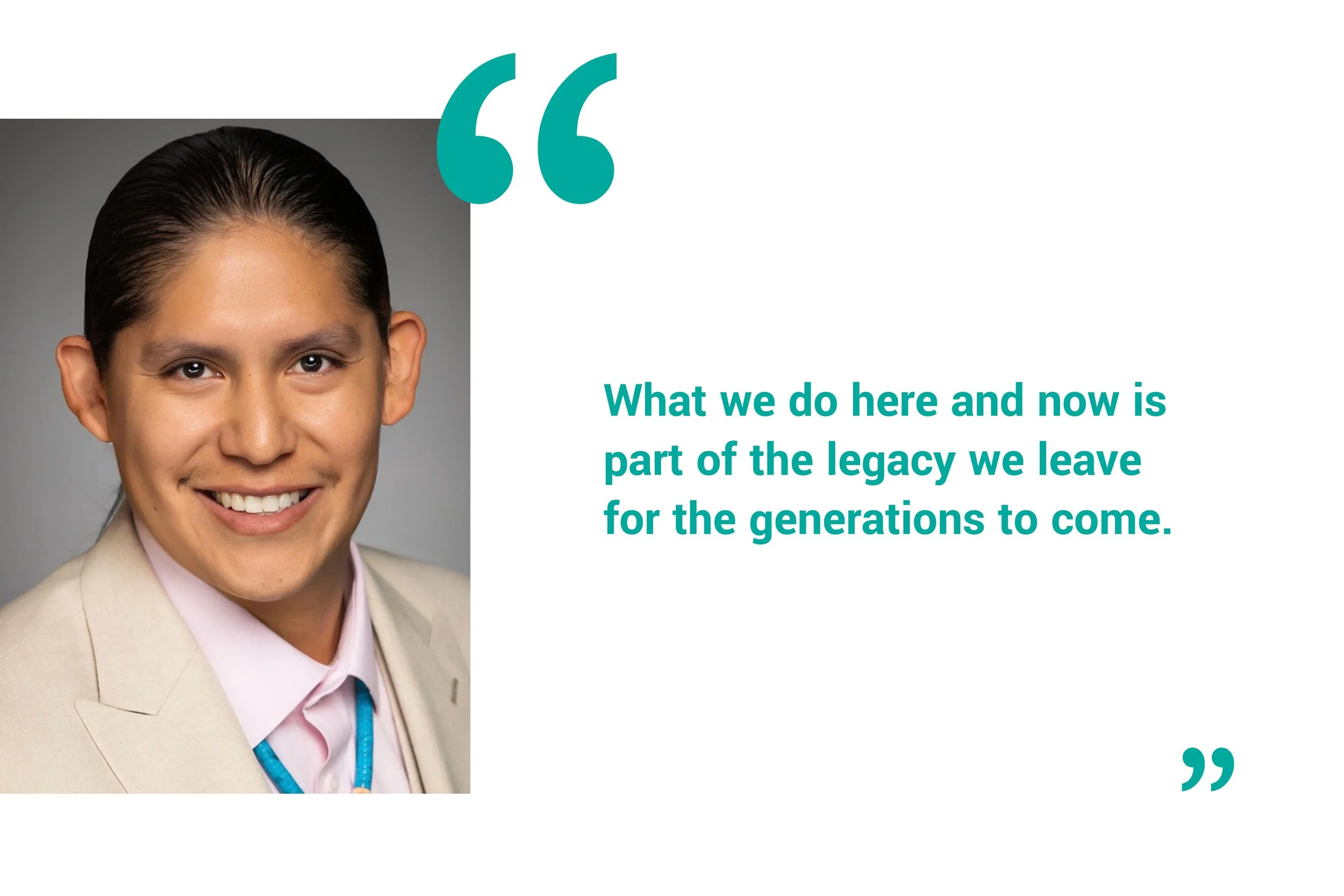
Dillon Shije (Pueblo of Zia)
Director of Equity and Inclusion, City of Albuquerque’s Office of Equity and Inclusion. Councilman and Tribal Leader, Pueblo of Zia
Dillon Shije is the Director of the City of Albuquerque’s Office of Equity and Inclusion and a Councilman and Tribal Leader from the Pueblo of Zia, a Native Sovereign Nation in New Mexico. His work crosses tribal, local, and federal spaces, with a focus on Indigenous data sovereignty, public and Indigenous health, financial inclusion, and conservation. He is especially interested in how Native Sovereign Nations can strengthen their governance of data and use it to better inform decisions affecting their communities.
-
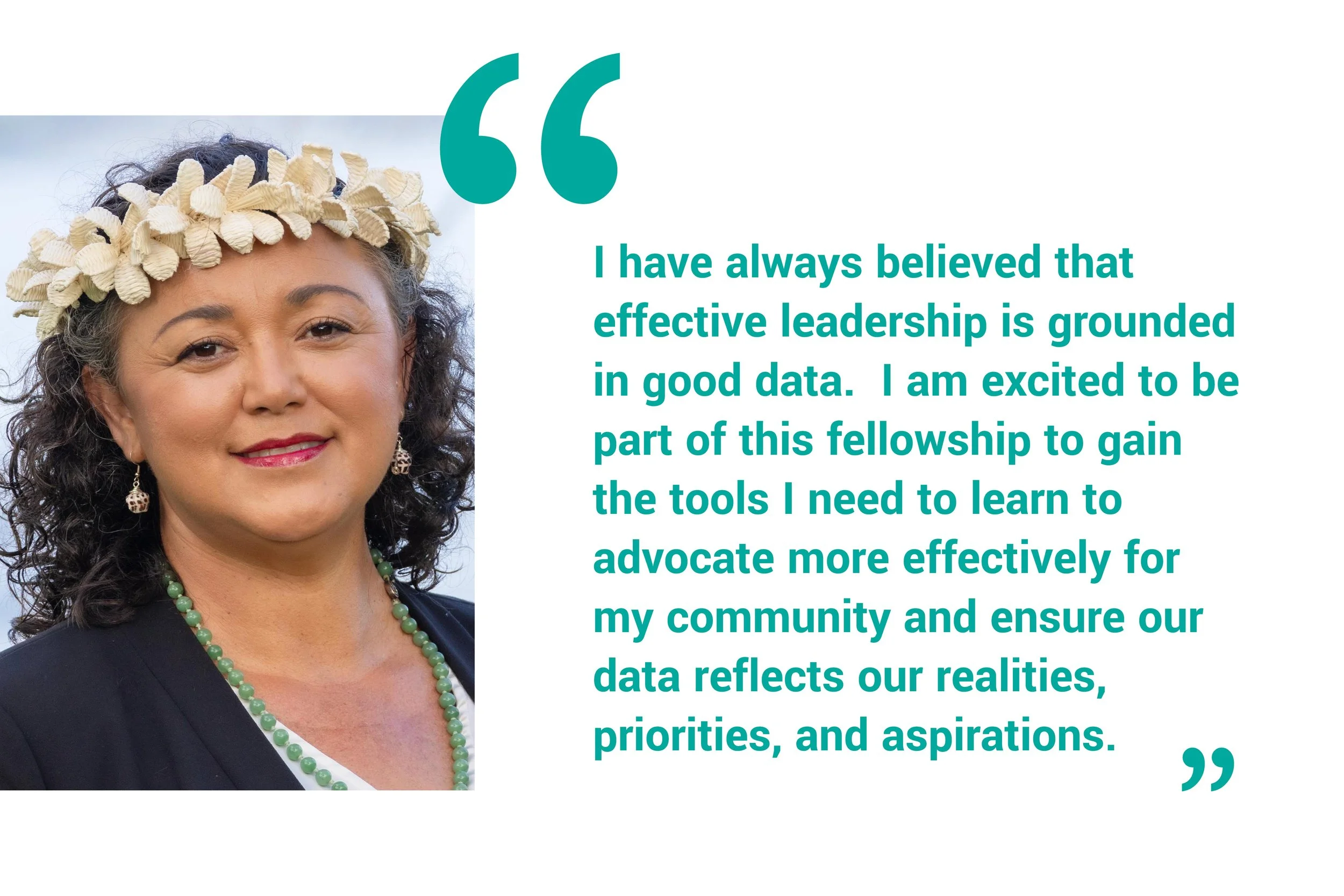
LEILA STAFFLER (Micronesian, Chamorro, Marshalese, Yapese)
Secretary of Labor/Community Organizer @
CNMI Government, Right to Democracy, Northern Marianas DescentLeila H.F.C. Staffler is an educator, public servant, and community advocate from the Commonwealth of the Northern Mariana Islands. Her career spans more than two decades in education and government, including service as a school administrator, legislator, and Secretary of Labor. She is passionate about strengthening data equity in U.S. territories and advancing Indigenous data sovereignty to support informed policy, cultural preservation, and community-driven decision-making throughout the Marianas.
-
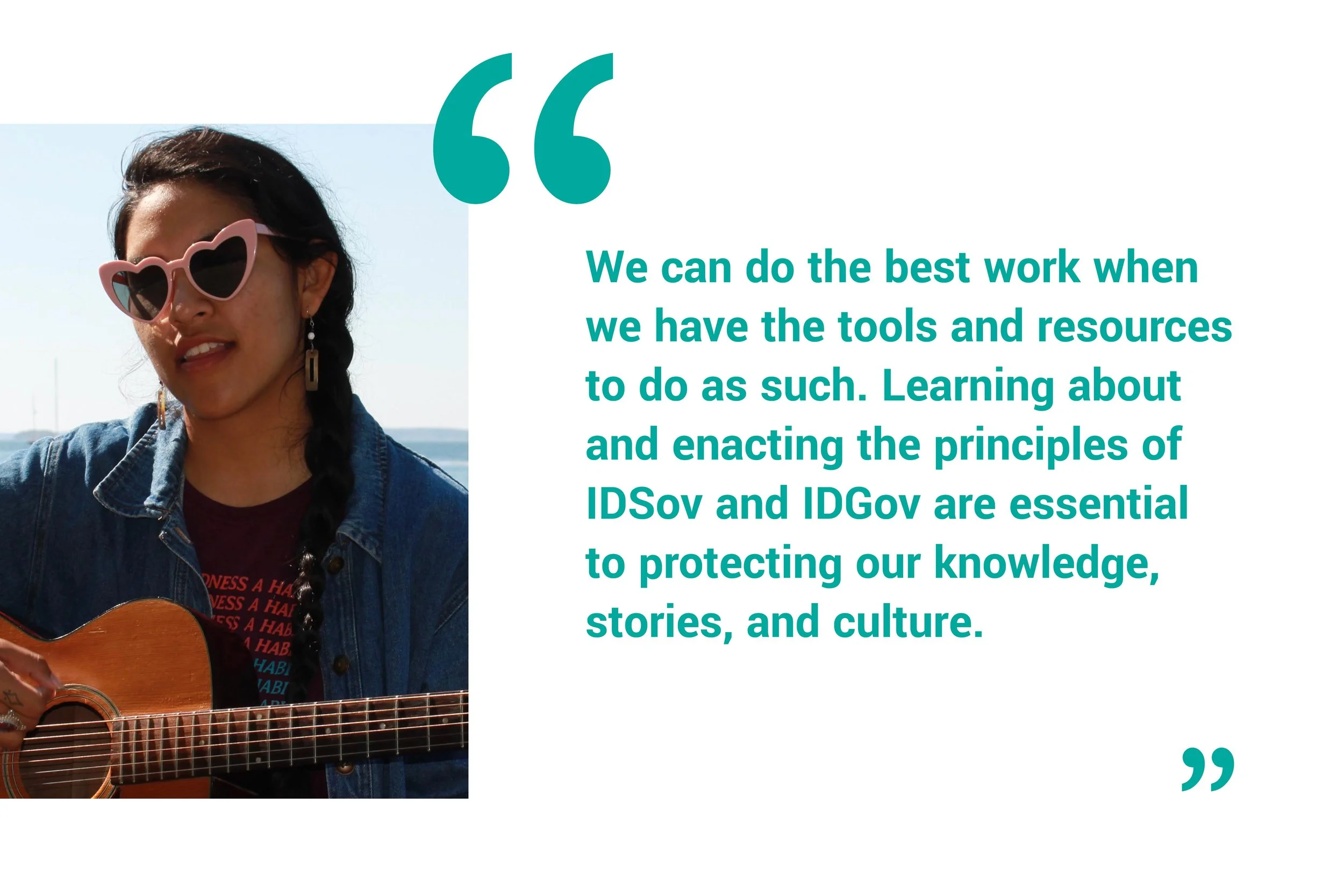
Kirin Vicenti-Lacapa (Jicarilla Apache Nation)
Water Commissioner, Jicarilla Apache Nation
Kirin Vicenti-Lacapa is the youngest water commissioner for the Jicarilla Apache Nation. Throughout her four years in this role, she has advocated for Tribal water rights in the Colorado River Basin, and beyond. Kirin is a fellow for Colorado River Indigenous Youth Advisory Council and 2026 Northern New Mexico Climate Justice Leader. In addition to her work with water, she is a musician, film producer, and writer. She believes strongly in the role art plays in shaping our world.
-
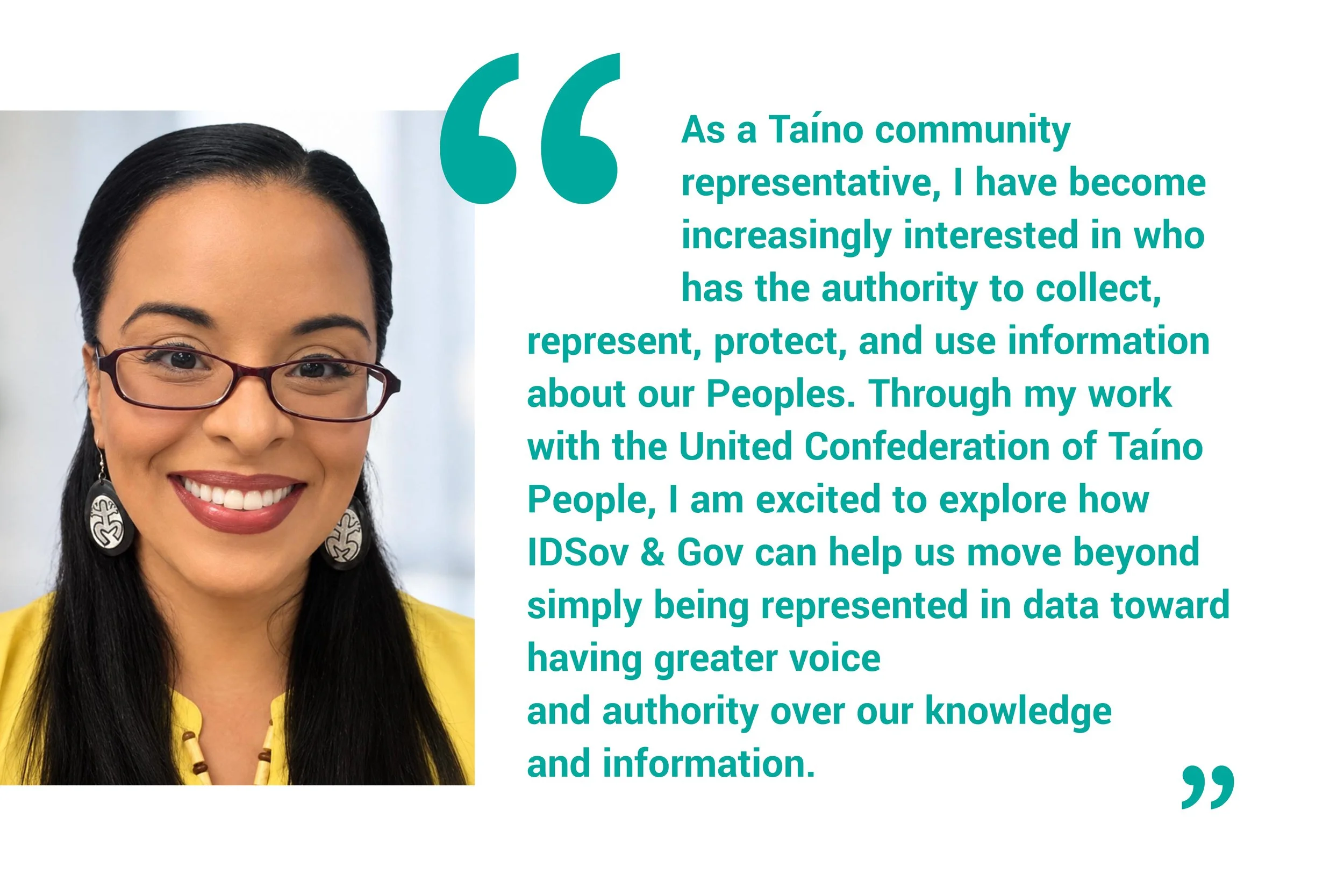
Dr. Lizette Viviana Rivera (Taino- Citizen of Iukaieke Guainia)
Liaison Officer, United Confederation of Taino People (UCTP)
Dr. Lizette Viviana Rivera “Guani” (hummingbird in Taíno) is a citizen of Iukaieke Guainía Tribe and serves as the Illinois Liaison for the United Confederation of Taíno People. Her work encompasses student success, Indigenous leadership, and community engagement. She is a 2026 United Nations Indigenous Fellow, where she studied Indigenous rights, international law, and Indigenous policy. She is committed to Taíno cultural continuity, Indigenous representation, and strengthening Indigenous voices in regional and international spaces.
-
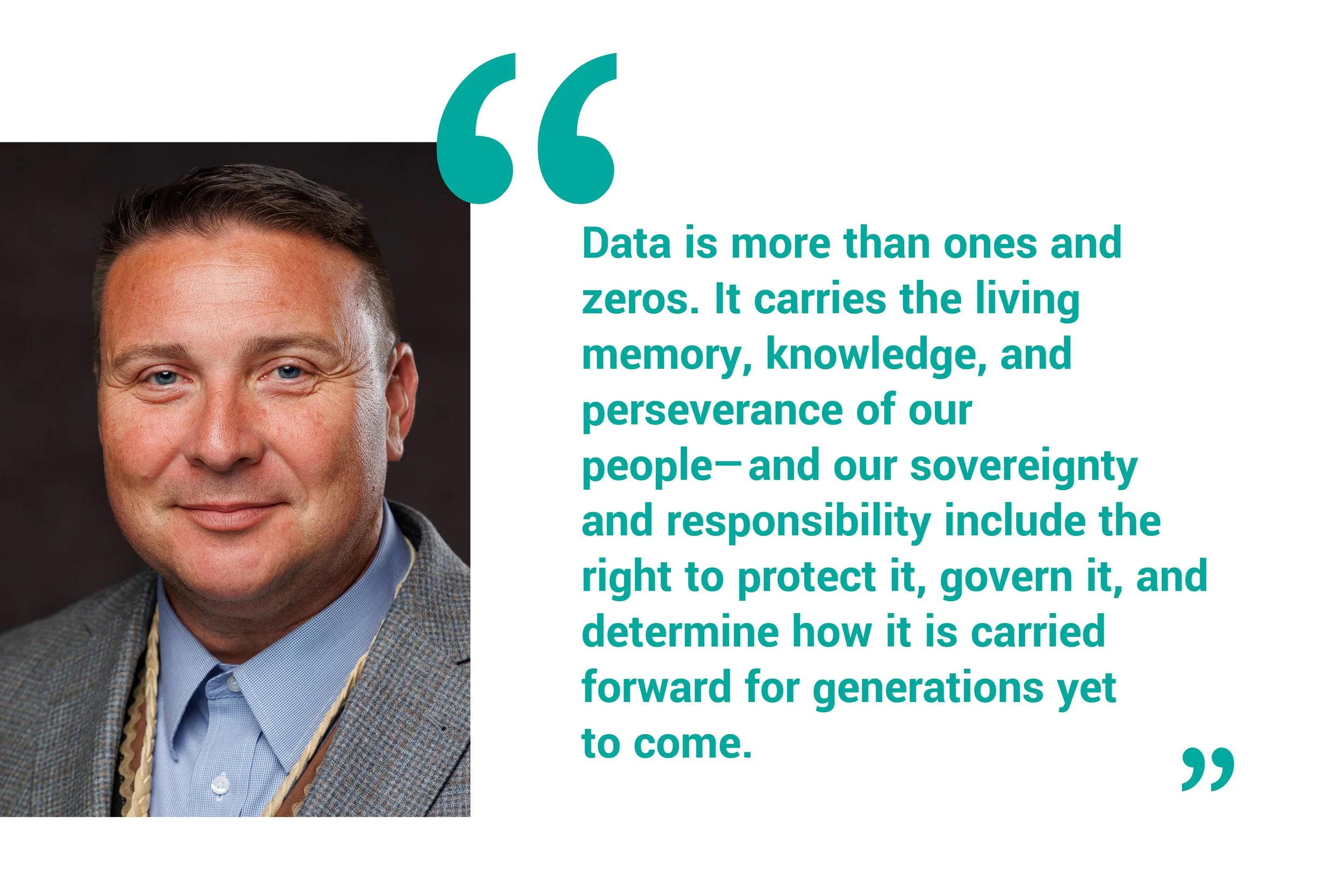
RAPHAEL WAHWASSUCK (Prairie Band Potawatomi)
Tribal Council Member, Prairie Band Potawatomi Nation
Raphael Wahwassuck is a Tribal leader and policy advocate with the Prairie Band Potawatomi Nation whose work focuses on sovereignty, governance, historic preservation, education, and intergovernmental relations. He is committed to strengthening Tribal capacity and ensuring Indigenous peoples retain authority over their lands, knowledge, histories, and data. His work emphasizes responsible governance, community-centered decision-making, and advancing policies that protect the interests of present and future generations.
-
Dr. Mona Zuffante (Seneca Cayuga)
Chief Public Health Officer, Winnebago Tribe of Nebraska
Dr. Mona Zuffante has dedicated more than 26 years to serving the Winnebago community, where she serves as Chief Public Health Officer. Her leadership is rooted in relationships, culture, and a deep commitment to caring for relatives across the lifespan. She has led efforts to strengthen Indigenous public health systems, expand culturally grounded programs, develop the workforce, and create pathways for future leaders while ensuring community voice remains at the heart of the work.
2025/26 Indigenous Data Champions


-

DR. ALEXIS ARCHAMBAULT (Standing Rock Sioux Tribe)
HYDROLOGIST, BRAVE HEART SOCIETY
Alexis is Hunkpapa Lakota from the Standing Rock Sioux Tribe. She works as a Hydrologist at Brave Heart Society, a grandmother-led grassroots organization of the Ihanktonwan. Her work explores watershed dynamics in the Missouri River cultural bioregion to strengthen Indigenous water stewardship. Dr. Archambault’s long-term goal is to strengthen climate resilience in tribal communities by applying Indigenous stewardship approaches that ensure environmental management decisions are informed by and flow through Indigenous knowledge systems. -

SAMANTHA AZURE (Assiniboine and Sioux of Fort Peck)
DIRECTOR, TRADITIONAL PRACTICES FOR WELLNESS PROJECT, FORT PECK COMMUNITY COLLEGE
Samantha "Sam" Azure (D/Lakota, Assiniboine) is an enrolled member of the Assiniboine and Sioux Tribes of Fort Peck in northeastern Montana. Sam was born and raised in Poplar on the Fort Peck Reservation and currently lives, works, and raises her family there as well. She is the Director of Fort Peck Community College’s Traditional Practices for Wellness Project.
-

PRISCILLA BELL (BORIKUA TAINO)
TEAM LEAD/ EDUCATION PROGRAM MANAGER, BORIKUA TAINO FOUNDATION
Priscilla is a Borikua Taino artist and organizer born in Lenapehoking (Philadelphia, PA). She works with murals, storytelling, and kinship-led technologies to support connection and care for shared knowledge. She leads Yucayekeno Connect, a digital space for learning, oral histories, and resources built around privacy and community control. With over 20 years of community work, she centers living memory, place, and responsibility.
-

ANDREA BOB (Puyallup Tribe)
DATA ANALYST, PUYALLUP TRIBE OF INDIANS
Andrea Bob is a enrolled member of the Puyallup Tribe of Indians and serves as the Data Analyst in the Tribes Communications Department. She uses data to strengthen outreach, improve communication strategies, and keep Tribal members informed. With a background in communications and community event coordination, she has supported major initiatives such as Canoe Journeys. She is currently pursuing a Masters of Business Analytics at UW Tacoma.
-

Estefanita L. Calabaza (Santo Domingo Pueblo)
CHR/PREVENTION PROGRAM MANAGER, KEWA FAMILY WELLNESS CENTER
Estefanita L. Calabaza, M.A. (Santo Domingo Pueblo), serves as the CHR & Prevention Program Manager at the Kewa Family Wellness Center. She coordinates culturally-grounded programs and training sessions focused on suicide prevention, mental health, and holistic well-being. Estefanita is dedicated to incorporating holistic healing traditions and Indigenous knowledge systems to foster culturally-relevant support and well-being within the Pueblo community.
-

LUCILLE CONTRERAS (LIPAN APACHE)
Lucille is the founder and CEO of the Texas Tribal Buffalo Project, advancing buffalo conservation, regenerative agriculture, and Indigenous food sovereignty in Texas. A proud Lipan Apache and Mexica descendant, she leads the only known women-led bison ranching operation in the state and is a signatory of the Buffalo Treaty. A University of Colorado Boulder arts graduate and James Beard Fellow, she blends creative, academic, and hands-on expertise with self-taught IT skills to strengthen her work. An Aztec dancer with Grupo Tlaloc in Denver, Lucille’s leadership has launched programs like “Meat for Mamas” and made her project the only known bison producer to accept EBT while shipping across Turtle Island.
-

JAQUELYN CORDOVA (Pueblo, Diné, Guatemalan descent)
BOARD MEMBER, SACRED HEALING CIRCLE
Jacquelyn Cordova is a communications strategist and Indigenous data practitioner. Her work focuses on building protocol-aligned digital systems that uphold traditional Indigenous data governance structures in support of intergenerational learning and knowledge transfer. As a Board Member of Sacred Healing Circle, she supports community-based programming across the Great Plains region and contributes to geospatial mapping and applied science research efforts that advance ecological sustainability, land and water protection, and environmental stewardship.
-

HALI DARDAR (United Houma Nation)
ARTIST, BVLBANCHA PUBLIC ACCESS
Hali Dardar is a member of the United Houma Nation and a co-founder of the Houma Language Project and Bvlbancha Public Access. Her work focuses on practical ways to keep intellectual property rights over stories, recordings, and other data through the Uke Contracting System.
-

Darienne Dey (Kanaka ‘Ōiwi (Hawaiian))
FREELANCE INDIGENOUS KNOWLEDGE SYSTEMS & DATA PROJECT SPECIALIST
I am a Hawaiian researcher and cultural practitioner whose work centers Indigenous knowledge systems, wayfinding, and decolonizing approaches to education and leadership. My doctoral research reconstructs classical Hawaiian wayfinding pedagogy through Hawaiian-language archives, while my applied work supports Indigenous data governance, intergenerational learning, and Pacific voyaging networks. I collaborate with community practitioners to strengthen culturally grounded pathways for resilient, sustainable island futures.
-

April Tan'gerpak Hostetter (Yupiaq/Yup'ik; Igiugig Tribe)
TRIBAL STEWARD AND LANGUAGE PROGRAM CO-DIRECTOR, IGIUGIG VILLAGE COUNCIL
April Tan'gerpak Hostetter is Yup'ik from the Lake Iliamna region and currently resides in Igiugig, Alaska. In her work, she advocates for cultural revitalization, environmental stewardship, and Indigenous sovereignty, striving to weave together traditional knowledge with other ways of knowing to uplift and advocate for the people, lands, skies, waters, and other-than-human relatives.
-

SHAWNTA JONES (Oglala Lakota)
DIRECTOR OF SCHOOL DESIGN & CURRICULUM, THUNDER VALLEY COMMUNITY DEVELOPMENT CORPORATION
Čaŋkú Lúta Wiŋ | Shawnta’ Jones is an Oglala Lakota educator, mother, aunty, daughter, and sister. She holds a Bachelor’s from the University of Colorado Boulder and a Master’s in Education from Johns Hopkins University. As Director of School Design & Curriculum at Thunder Valley Community Development Corporation, she leads the development of a Lakota Immersion Montessori school. Working alongside Elders and fluent speakers, Shawnta’ centers Lakota ways of knowing, intergenerational learning, and cultural identity to advance educational equity.
-

Alyshia Macaysa-Feracota (Kanaka Maoli)
EXECUTIVE DIRECTOR, OREGON PACIFIC ISLANDER COALITION
Alyshia Macaysa-Feracota is a community power builder and the founding Executive Director of the Oregon Pacific Islander Coalition. Her work has been recognized nationally when she was named a Culture of Health Leader by RWJF and a Distinguished Alumni of UC Berkeley’s School of Social Welfare. In 2023 the Association of Hawaiian Civic Clubs recognized her historic work on the passage of the Pacific Islander Student Success Act in Oregon.
-

SAXON METZGER (OSAGE NATION)
CEO, POLAR ECOSYSTEMS
Saxon Metzger is the CEO of Polaris Ecosystems, specializing in tribal energy economics and development. A Department of Energy Community Energy Innovation Grand Prize winner and an MIT Solver, his work in the Osage Nation and with the Rappahannock and Upper Mattaponi Tribes of Virginia have helped create innovative planning solutions on the ground. Saxon teaches economics at Wilmington University and sustainable business at NYU-Tulsa, chairing the Energy Institute US Community Board.
-

DR. ALISHA MURHPY (Diné)
ECONOMIST, NAVAJO NATION DIVISION OF ECONOMIC DEVELOPMENT
Dr. Alisha L. Murphy (Diné) is the economist for the Navajo Nation Division of Economic Development, the first Diné person in this role. She earned her Doctorate in Economic Development from New Mexico State University, focusing on tribal economic development and Navajo entrepreneurship. Dr. Murphy also serves as vice-chair of The Global Centre of Indigenomics and works to advance data-informed, community-driven strategies for sustainable Navajo economic growth.
-

KIRBY Noekeonaonaokalehua-mamo (Native Hawaiian, Kanaka ʻŌiwi Hawaiʻi)
CHIEF ACADEMIC OFFICER, KANU O KA ʻĀINA LEARNING ʻOHANA
Dr. Noekeonaona Kirby serves as Chief Academic Officer of Kahoʻiwai/KALO and has over 20 years of experience as an educator. Born and raised in Hilo, Hawaii, she is a Hawaiian language speaker, holds a PhD in Indigenous Development and Advancement, and an MEd in Educational Leadership. As part of her philosophy, Noe wants students and teachers to understand their responsibility to cultural perpetuation through genealogy and living with our lands.
-

HOLLY PATTERSON (Navajo Nation)
ENTREPRENEURIAL RESOURCES & STRATEGIC CAPITAL MANAGER, CHANGE LABS
Holly Patterson is an Indigenous economic development leader working at the intersection of entrepreneurship, capital access, and community sovereignty. As the Entrepreneurial Resource and Strategic Capital Manager at Change Labs, she supports Navajo and Hopi entrepreneurs navigating financial systems and data driven decision making. Her work centers Indigenous values, protects community knowledge, and advances systems that strengthen long term economic self determination.
-

JOHN PATU (American Samoan)
PROGRAM MANAGER; PRESIDENT; DIRECTOR, SAMOAN LANGUAGE COMMISSION OF AMERICAN SAMOA; ASSOCIATION OF SAMOAN LANGUAGE NESTS; SĀMOANA MEDIA
"Niko" (John) Pātū is from Nuʻuuli and Pago Pago in American Samoa and serves as the Program Manager and researcher for the Samoan Language Commission of American Samoa. He is a licensed immersion school teacher and is working to preserve, protect, and revitalize Samoan language in American Samoa and the Samoan communities throughout the U.S.
-

SARAH STEPETIN (Native Village of Akutan)
DIRECTOR OF TRIBAL TRANSPORTATION, AKUTAN TRADITIONAL COUNCIL, UNANGAX COMMUNITIES CONFERENCE
Sarah Kachigax̂ Stepetin is an Indigenist committed to lifestyle medicine. She embraces outdoor activities, values community connections, and believes in lifelong learning. As a dedicated mother and partner, she enjoys hiking, camping, subsistence fishing and foraging with her family. These activities bring her back to her childhood cruising on her dad’s skiff, picking berries, flowers and puchkies in Akutan. Her background in yoga supports her holistic approach to wellness, balance, and longevity.
-

KARLI HASSEL TYANCE (Anishinaabe)
SENIOR POLICY COORDINATOR, CENTRAL COUNCIL OF THE TLINGIT & HAIDA INDIAN TRIBES OF ALASKA
Aaniin! My name is Karli Tyance Hassell (Kiashke Zaaging Anishinaabek) and I humbly reside in Dena'ina Ełnena (Anchorage, AK). I serve as a Senior Policy Coordinator in the Indigenous Stewardship Programs Division with the Central Council of Tlingit & Haida Indian Tribes of Alaska, where I focus on a variety of ocean/fisheries, policy, and stewardship issues. I support programs, like the Seacoast Indigenous Guardians Network, through the development of data-focused processes and protocols.
-

STACEY WHITE (Forest County Potawatomi tribe)
COMMUNICATIONS DIVISION ADMINISTRATOR, WISCONSIN NATIVE VOTE
Bozho (hello), I’m a Tribal Member from the Forest County Potawatomi tribe. I work for my community as the Communications Division Administrator and contribute my time as a part-time Tribal Regional Organizer with Wisconsin Native Vote. I take pride in working for our Native American communities and hope to use my professional skills across the state of Wisconsin and beyond.